
How Youth Jiu Jitsu Boosts Social Skills for Southampton Kids
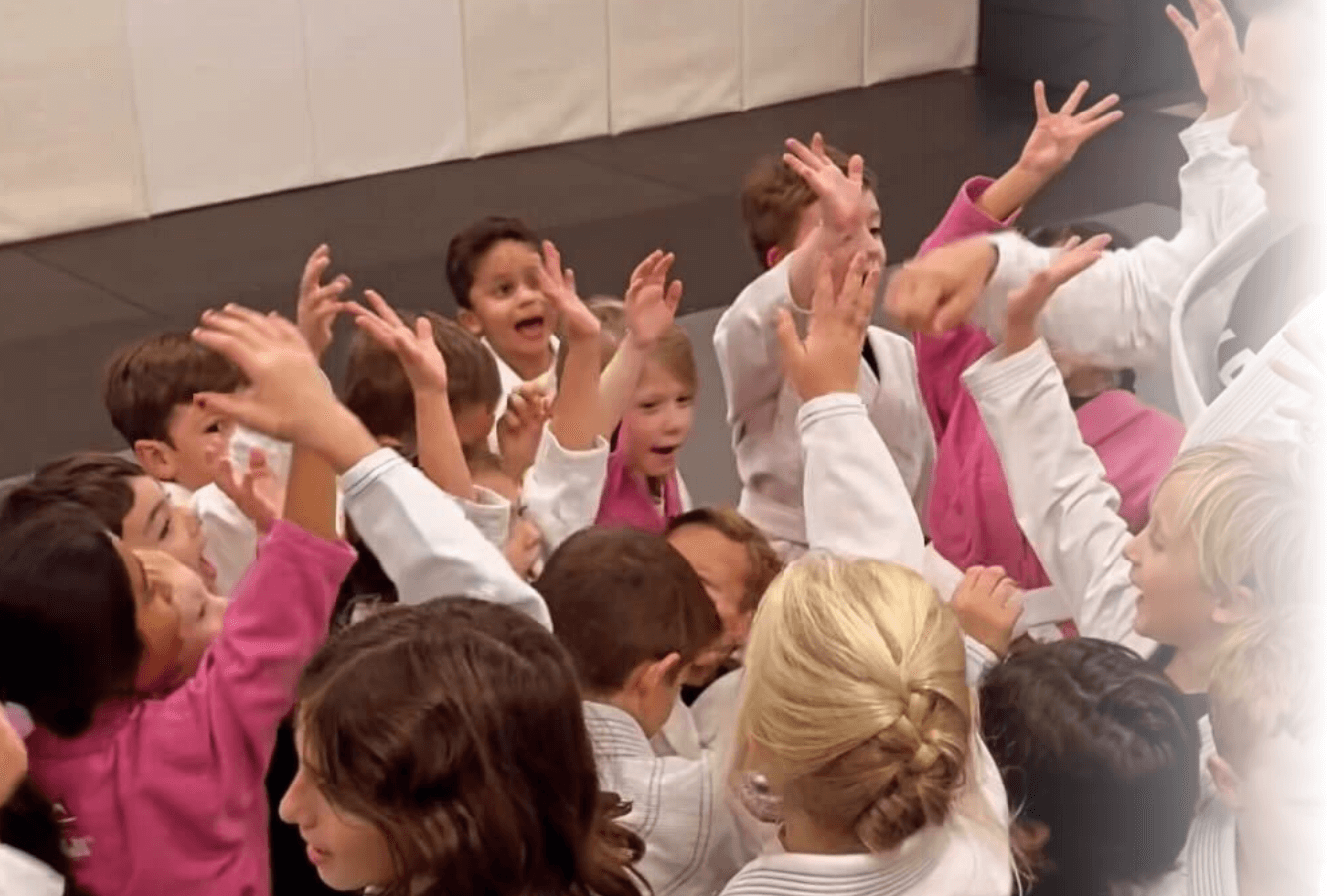
Transform shy Southampton kids into confident teammates through partner-based training, respectful routines, and small daily wins.
If you are looking for an activity that helps your child make friends, speak up, and handle big feelings without melting down, youth jiu jitsu is one of the most practical options we see work in real life. It is physical, yes, but the social side is the part that surprises many parents. Kids are constantly communicating, sharing space, and learning how to be a good partner, even when something feels hard.
In our youth jiu jitsu program, social growth is not treated like a bonus. We build it into the structure of class. From greeting coaches, to pairing up for drills, to learning how to win and lose respectfully, your child gets repeated, coached reps of the exact skills that matter at school, on teams, and in friendships.
Because we work with kids from different schools, personalities, and comfort levels, we also see something else: jiu-jitsu creates a kind of instant common ground. When everyone is learning the same movement and helping each other improve, social barriers soften quickly, and that matters in a place like Southampton where schedules can be busy and peer groups can feel set.
Why youth jiu jitsu naturally strengthens social skills
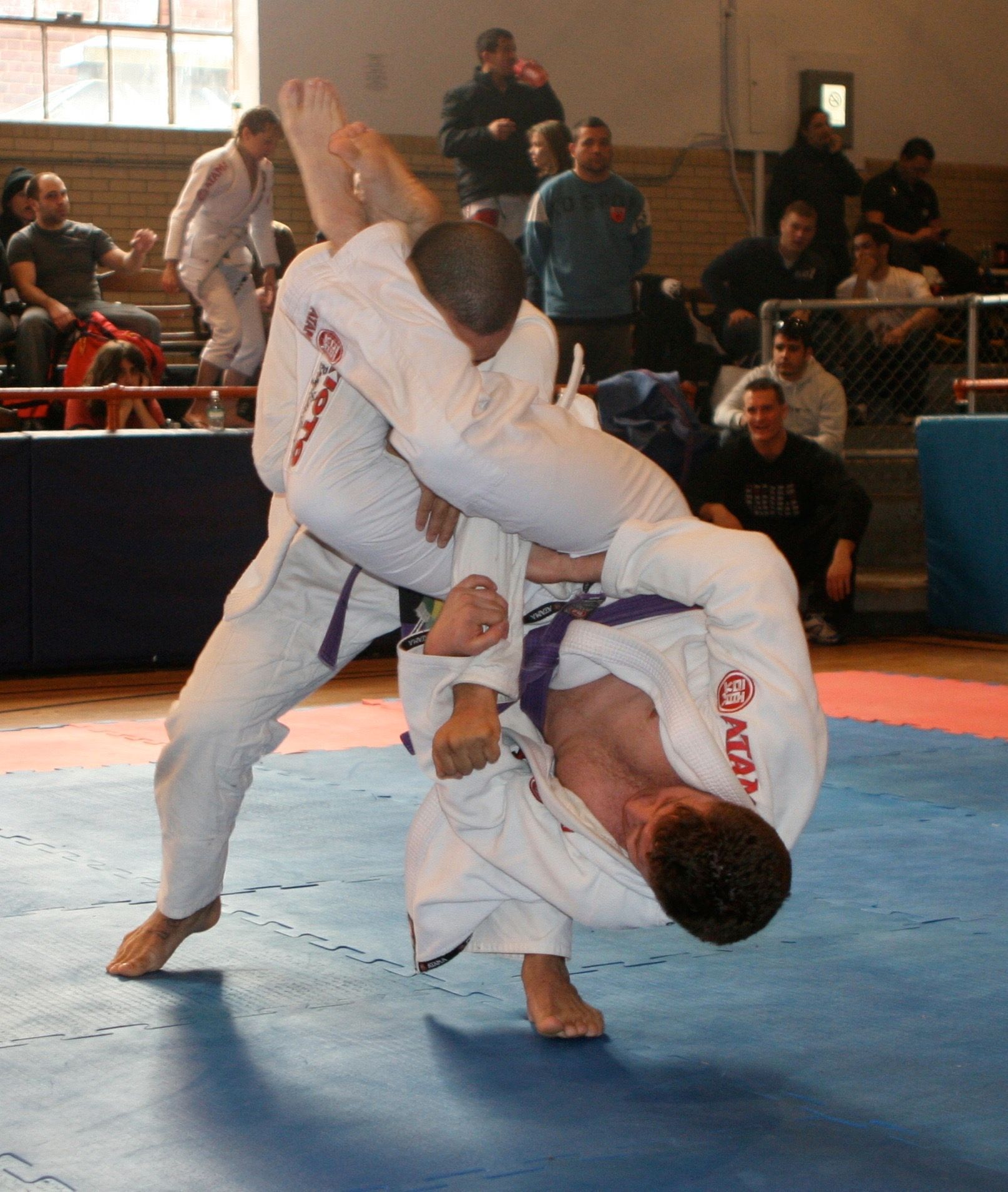
Youth jiu jitsu is built around cooperation. Even during sparring, the goal is not to hurt anyone. The goal is to practice technique with control. That means your child has to read body language, manage intensity, and communicate clearly. Over time, this improves the same social habits adults spend years trying to learn: patience, respect, and emotional regulation.
Kids also learn that success depends on consistency and good partnerships, not just talent. Belt progression reinforces goal-setting and self-discipline, which often spills into better classroom behavior. When a child is used to following steps, listening for details, and staying calm under pressure, it gets easier to handle group projects, teacher feedback, and peer conflict.
Most importantly, the training environment is structured. There are rules, routines, and expectations that stay steady week to week. For kids who feel anxious in unpredictable social situations, that structure becomes a safe place to practice being social without having to guess what to do next.
Social skill number one: making friends through partner training
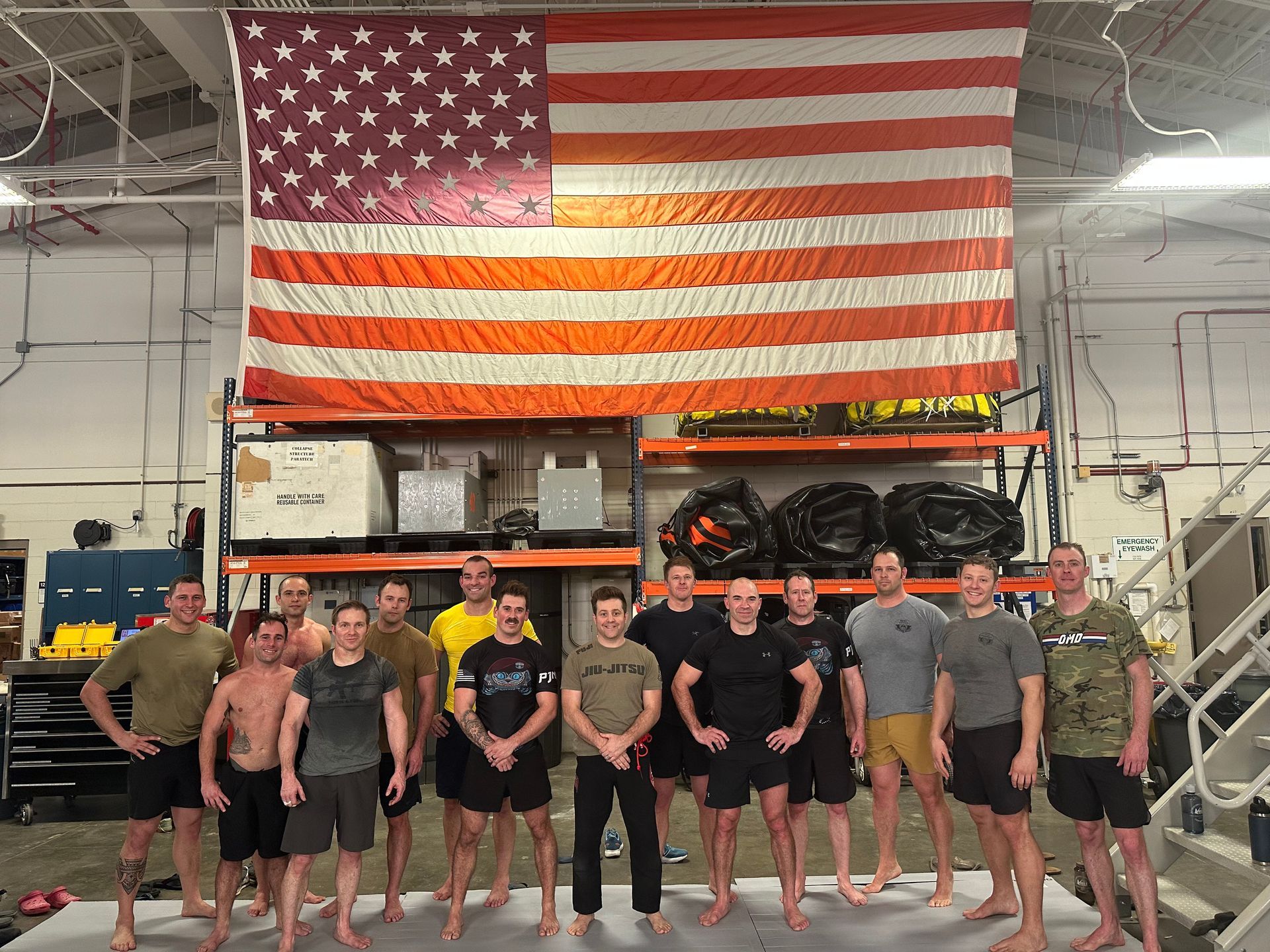
Many youth activities say they build teamwork, but youth jiu jitsu makes teamwork unavoidable in a good way. Your child will rotate through partners, line up with different classmates, and practice techniques that require trust. That repeated, positive contact builds familiarity fast, which is often how friendships start.
We also coach kids on how to be a good training partner. That includes asking politely, using appropriate strength, and resetting with a calm attitude when something does not work. Those small interactions are social practice. For shy kids, it can be easier to talk when there is a shared task, like learning a new position, instead of trying to jump into conversation cold.
Over time, kids begin to recognize each other’s progress. One child remembers another kid’s stripe test. Another kid notices a classmate got braver during sparring. This kind of positive peer attention is powerful, and it feels different from the social dynamics some kids experience in school.
Social skill number two: communication under pressure
In youth jiu jitsu in Southampton NY, kids learn to communicate in a direct, respectful way. Sometimes that looks like saying, “Can we go lighter?” Sometimes it is learning to tap and reset without embarrassment. Sometimes it is listening closely while a coach explains a sequence and then repeating it with a partner.
Controlled sparring is especially useful here. When kids feel a little pressure, they have to stay present. They learn to breathe, solve problems, and respond to cues. That trains calm communication, not reactive communication. And for kids who tend to shut down or lash out when frustrated, this can be a real turning point.
We also use age-appropriate language for coaching. Kids are taught simple cues they can remember, and we reinforce them consistently. As their vocabulary grows, so does their confidence in speaking up, asking questions, and explaining what happened, which is an underrated school skill.
Social skill number three: respect, humility, and learning to lose well
One of the best social lessons in martial arts in Southampton is learning that everyone gets stuck sometimes. Jiu-jitsu is honest. A technique either works or it does not, and a kid cannot talk their way out of it. That honesty teaches humility, and humility is a social superpower.
Kids learn how to win without bragging and how to lose without crumbling. We treat both as learnable skills. When a child has a tough round, we help your child reset, reflect, and try again. That is emotional regulation in action, and it shows up later when a kid loses a game at recess or gets a lower grade than expected.
Respect is reinforced through routine: lining up, listening, taking turns, and treating partners carefully. These rituals may look small, but they shape behavior. Consistent respect reduces conflict, improves cooperation, and helps kids feel safer socially.
Social skill number four: empathy and awareness of others
Youth jiu jitsu teaches empathy in a very physical way. Your child learns what it feels like when someone uses too much strength or moves too fast. Then your child learns how to adjust so a partner can learn too. That is empathy, not as an abstract idea, but as a real-time choice.
Because kids train with different body types, athletic backgrounds, and personalities, they learn to adapt. Some partners need more space. Some partners need clearer instructions. Some partners need encouragement. That flexibility is exactly what helps kids navigate friendships, classrooms, and group activities outside the mats.
We also model what supportive behavior looks like. Kids see coaches correct mistakes without shaming. They see classmates clap for someone who finally nailed a movement. Over time, that becomes the social norm: help each other get better.
What a typical youth class looks like (and where social skills show up)
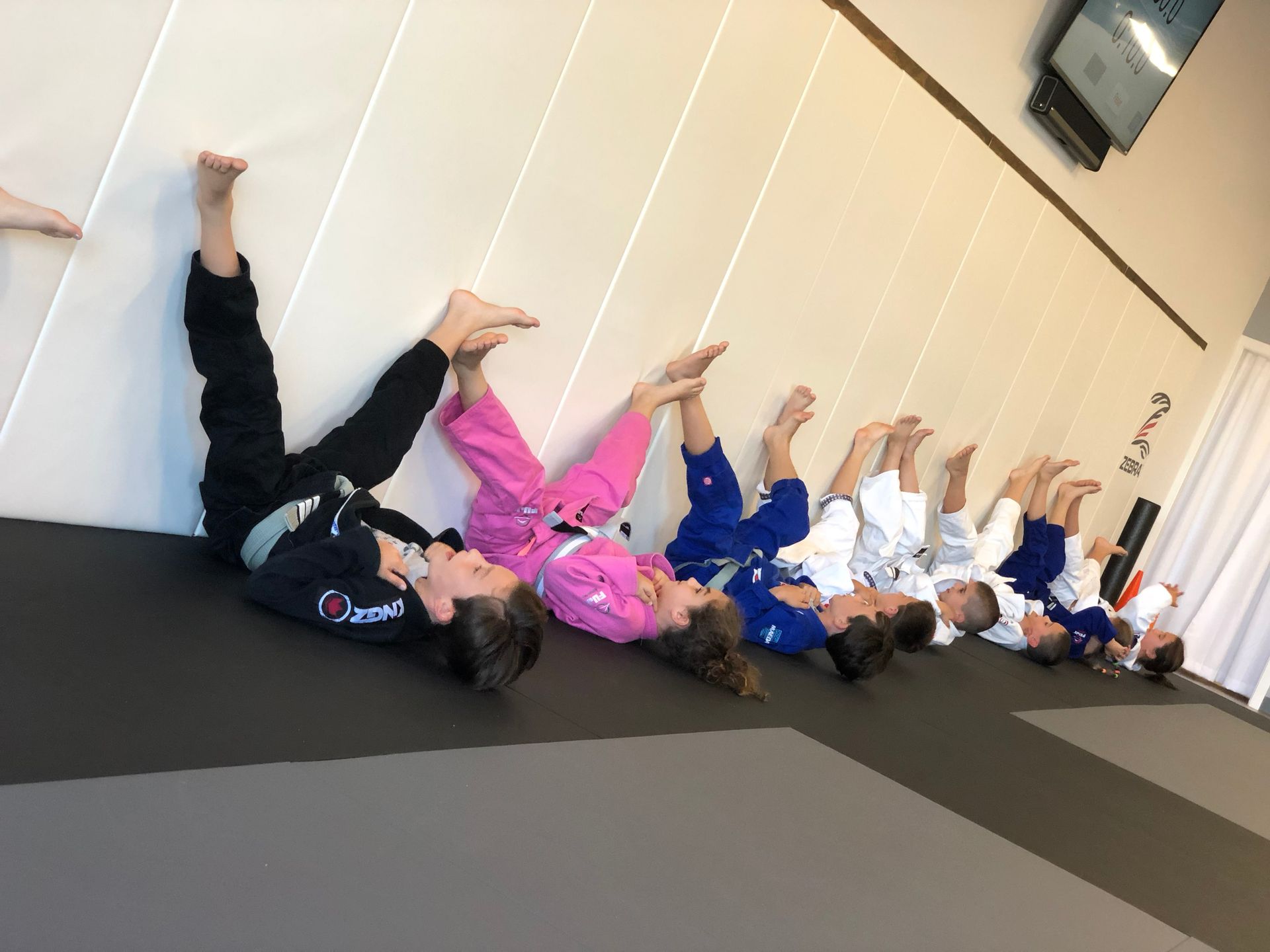
Parents often ask what actually happens in class, because “social skills” can sound vague. In practice, it is built into every phase of training. Here is what a typical session includes, and what your child is learning socially along the way:
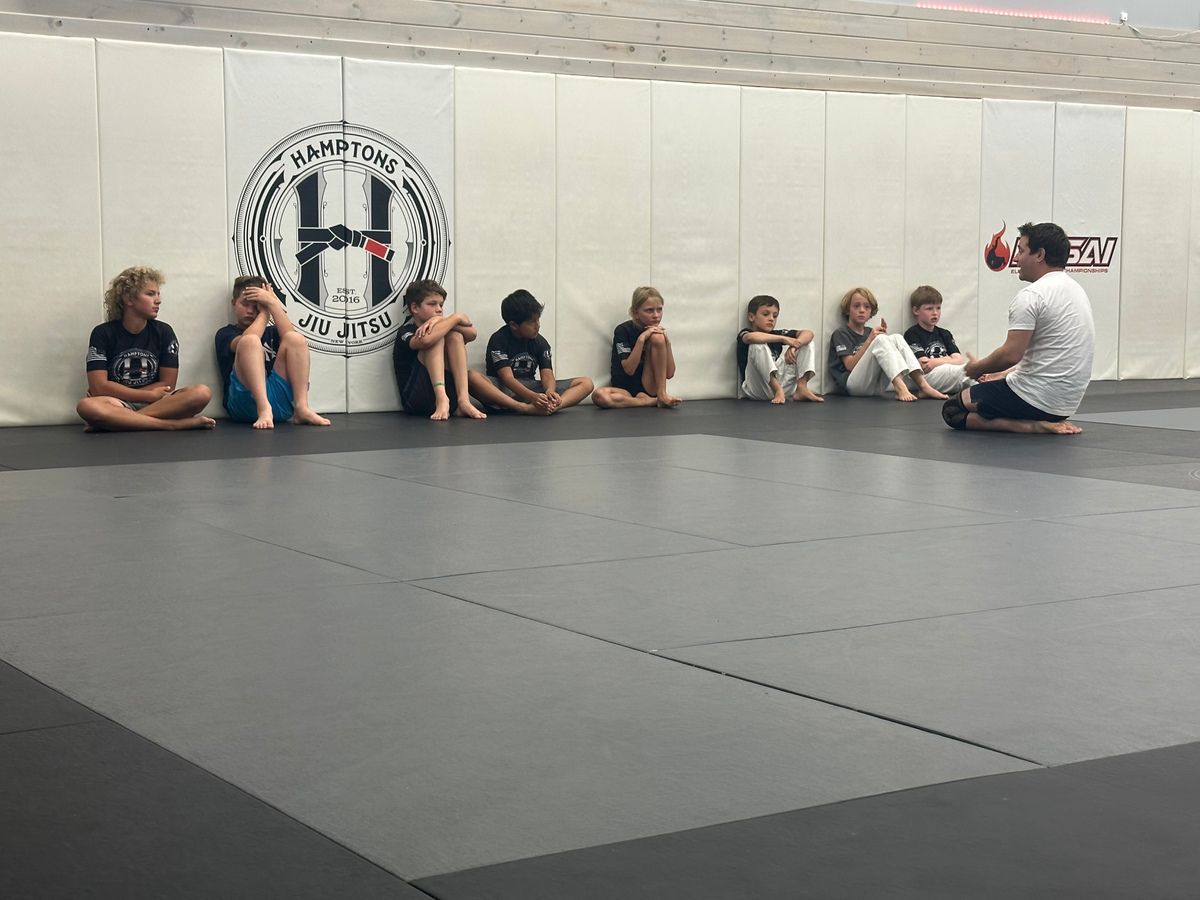
• Structured arrival and lineup routines that teach greetings, attention, and respectful waiting
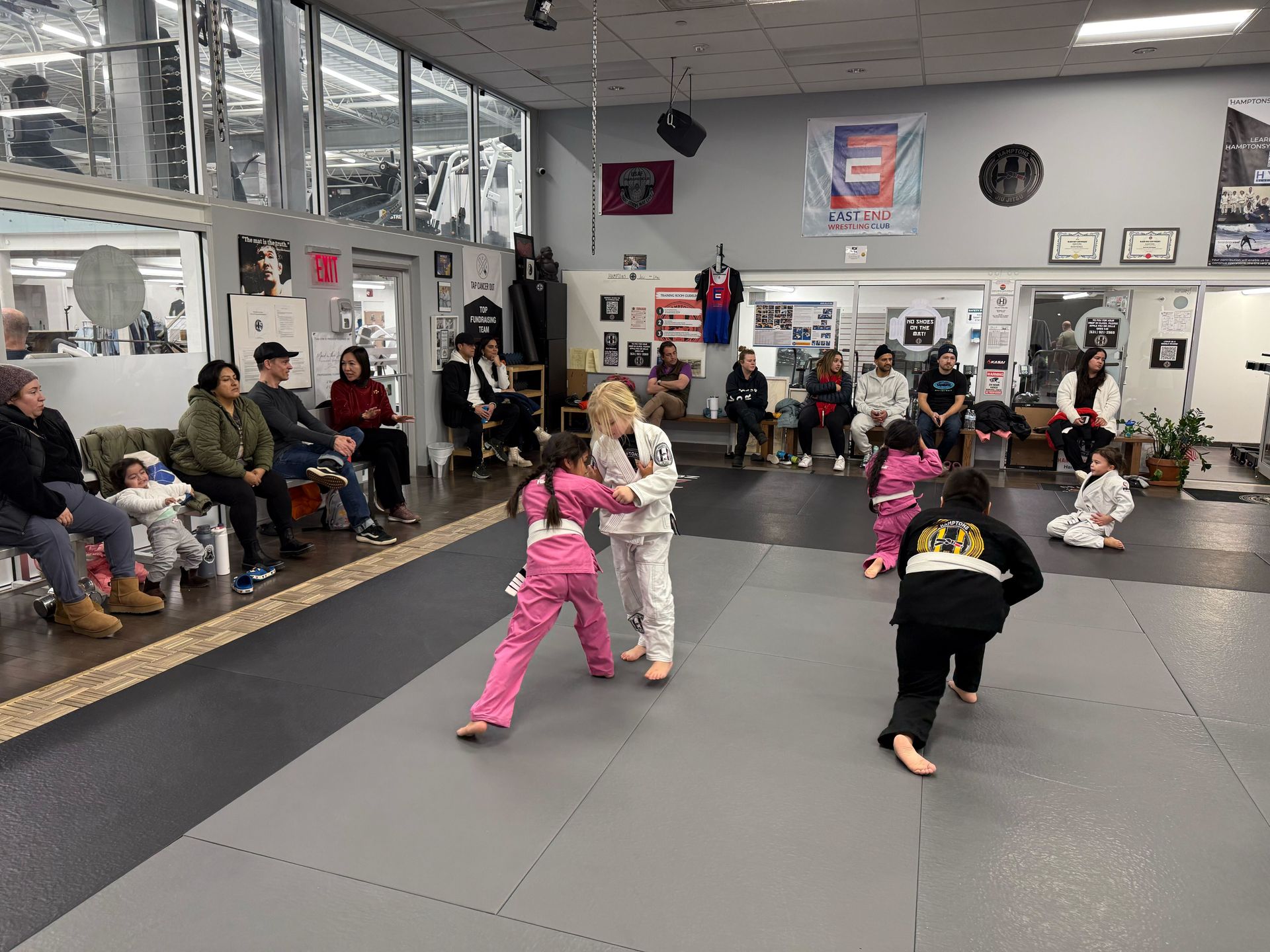
• Technique instruction with partner drilling that requires clear cooperation and turn-taking
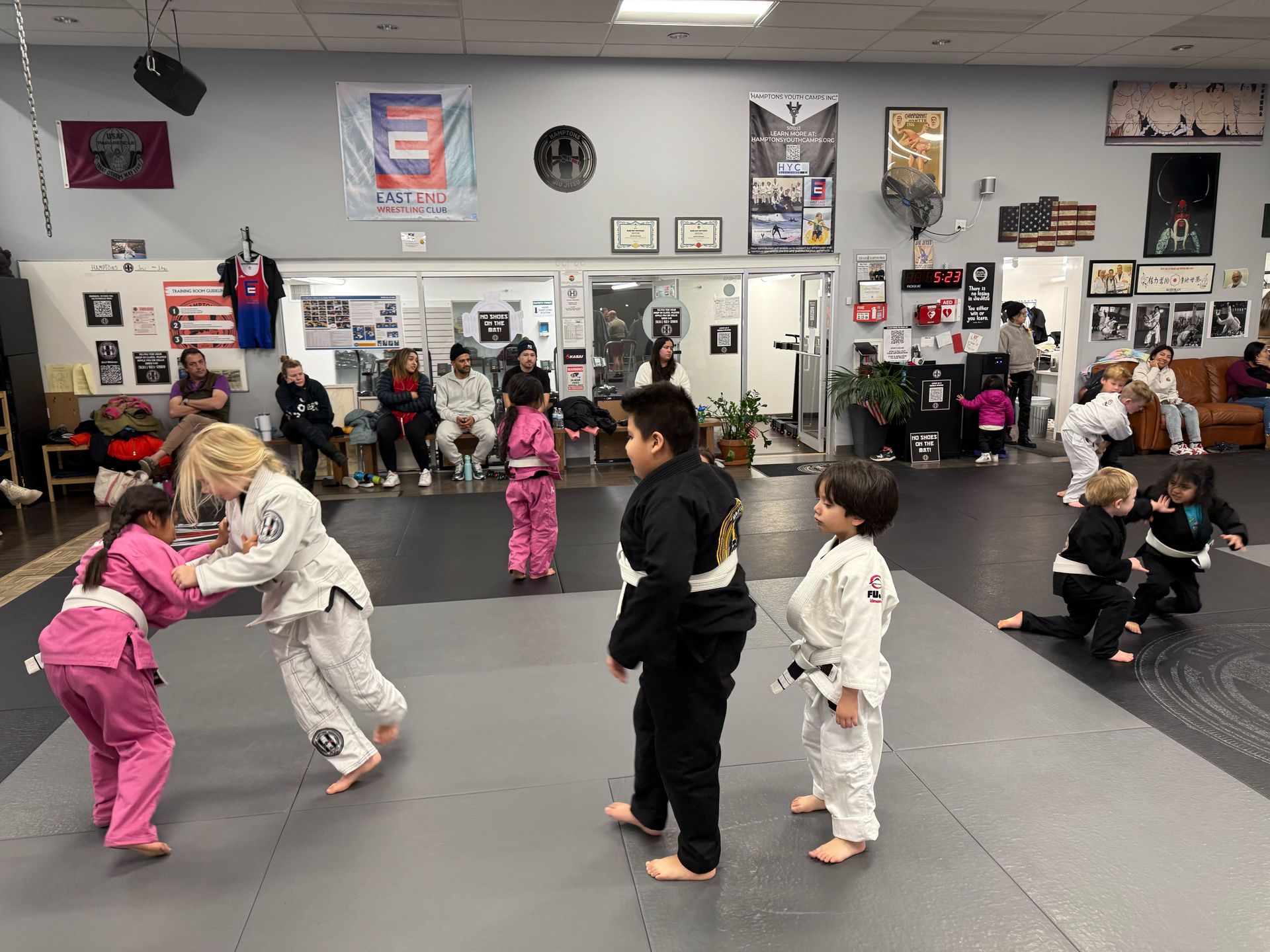
• Group games and movement drills that build confidence in shared space and friendly competition
• Controlled sparring that trains calm decisions, emotional regulation, and good sportsmanship
• A closing review where we reinforce effort, highlight positive behavior, and encourage goal-setting
That consistent arc matters. Kids know what to expect, and that predictability makes it easier to participate socially. The more comfortable your child feels, the more your child engages.
Helping shy kids open up without forcing it
Some kids take time to warm up. We expect that. In youth jiu jitsu, we can meet a quiet child where your child is while still encouraging small steps forward. Often, the first “win” is simply participating in partner drills without freezing. Then it becomes answering a coach’s question. Then it becomes initiating a partner swap or helping a new student.
We keep groups small enough for personal coaching, because shy kids do better when we can notice progress early. And we pay attention to pairing, especially at the start, to help new students feel safe and successful.
A big part of social confidence is competence. When a child knows what to do, your child is more willing to interact. That is why we emphasize fundamentals and repeat key movements. Repetition reduces anxiety, and the social side starts to bloom naturally.
Supporting confident kids with better leadership and better boundaries
Outgoing kids also benefit, just in a different way. Youth jiu jitsu teaches leadership with restraint. A confident student learns to lead by helping, not by dominating. During drills, we coach kids to adjust intensity and give partners room to learn.
This is also where boundaries come in. Jiu-jitsu teaches kids to respect personal space and consent in a clear, concrete way. You ask to partner up. You train with control. You stop when someone taps. That kind of boundary practice can improve behavior in school and reduce impulsive roughness in social settings.
And when confident kids hit a plateau, which happens to everyone, they learn patience. That lesson tends to carry over into how they treat classmates who are learning at a different pace.
Belt progression as a social and emotional roadmap
Kids love clear milestones. Belt and stripe progression gives your child a way to measure growth without constant comparison to peers. That matters socially because it reduces status games. Instead of “Who is the best,” the question becomes “What did I improve this month?”
Progress checks also teach kids how to receive feedback. We show kids that corrections are not criticism. They are instructions. When kids get used to that mindset, they tend to handle teacher feedback better and recover faster from mistakes.
Goal-setting is built into the culture. Your child learns to show up, practice, and trust the process. Those habits build confidence, and confident kids usually have an easier time joining groups, speaking up, and navigating friendship bumps.
Safety and trust: the foundation of social growth
Parents also ask about safety, and it is a fair question. Social skills only grow in an environment where kids feel protected. We focus on age-appropriate technique, careful supervision, and a culture of control. Tapping is taught early. Intensity is managed. And we keep the emphasis on learning, not aggression.
When kids trust the room, they take healthy social risks. They try new partners. They attempt a new move in front of the group. They handle a tough round and come back the next day. Those are confidence reps, and they shape how your child carries yourself outside the mats too.
In a community like Southampton, where kids can be pulled in a dozen directions and social time can get squeezed, having a consistent place to practice these skills weekly can make a real difference.
Ready to Build Stronger Social Skills in Southampton
Social skills are not just personality traits kids either have or do not have. With the right structure and coaching, we can teach them, practice them, and reinforce them in a way that feels natural. Youth jiu jitsu does that by blending teamwork, communication, respect, and emotional control into something kids genuinely enjoy showing up for.
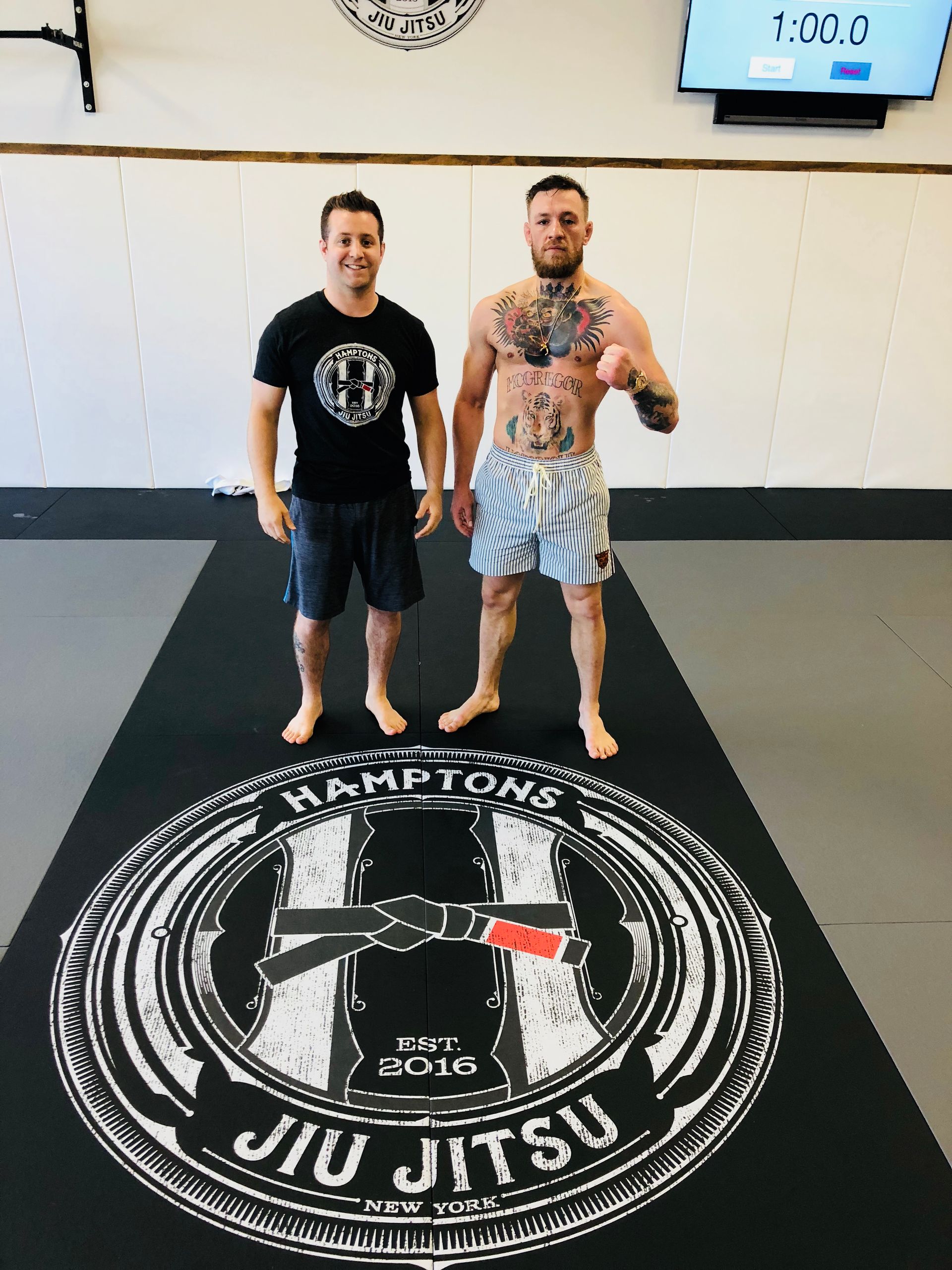
If you want a program that supports your child socially as much as physically, we would love to help. At Hamptons Jiu-Jitsu, we keep classes structured, friendly, and focused on steady progress so your child can grow into a confident training partner, classmate, and friend.
Help your child build confidence, discipline, and focus by enrolling them in youth martial arts classes at Hamptons Jiu-Jitsu.
ACCESS OUR SCHEDULE
& EXCLUSIVE WEB SPECIAL
Secure your spot and get started today with our EXCLUSIVE offer!