What Makes Jiu Jitsu the Perfect All-Season Activity in Southampton?
When Southampton weather changes by the hour, training on the mats keeps your progress steady all year long.
In Southampton, seasons can feel like separate lifestyles: quiet, wind-cut winters, shoulder-season rain that lingers, and summers that bring heat, humidity, and packed calendars. If you want a fitness routine you can actually keep, consistency matters more than hype. That is one reason jiu jitsu works so well here - it is indoor, structured, and adaptable.
We also like that jiu jitsu meets you where you are. Some people come in for self-defense, some for stress relief, and some because they miss the feeling of learning a real skill instead of just “working out.” No matter your starting point, the training has a natural rhythm: learn, drill, practice, and slowly start connecting the dots.
And because this is Southampton, a lot of our students juggle work, travel, school, and family commitments that shift with the season. Our goal is simple: give you a year-round practice that holds up through winter schedules, summer weekends, and everything in between.
Why jiu jitsu fits Southampton better than seasonal fitness trends
Outdoor routines are great until they are not. Wind chills, slick roads, or that heavy summer humidity can turn a “quick workout” into something you postpone. Jiu jitsu stays reliable because our training environment stays consistent. You show up, you warm up, and you train.
The other big difference is that jiu jitsu is skill-based. You are not just chasing sweat. You are building timing, balance, and problem-solving under pressure, and those improvements stack over time. Even if you train a couple days per week, you can feel your movement get cleaner and your decision-making get calmer. That kind of progress makes it easier to keep coming back in every season.
A true year-round routine: what training looks like in each season
Southampton has distinct phases, and your body feels them. We plan training in a way that supports consistency, not burnout.
Winter: build base fitness and sharper fundamentals
Winter is when people often crave structure. Classes become a weekly anchor, and the mats are a great place to work on fundamentals: posture, frames, escapes, and controlled top pressure. Because you are training indoors, you do not lose weeks to bad weather, and that steady repetition matters.
Winter is also a smart time to improve mobility and durability. We emphasize warm-ups that prepare your joints for grappling, and we encourage pacing that keeps you learning instead of limping through every round.
Spring: tighten your technique and increase intensity gradually
Spring tends to bring renewed energy. This is where many students start adding rounds, staying after class to drill, or exploring a new position with more curiosity. It is also a great time to set a simple training goal, like improving guard retention or building a reliable escape from side control.
The key is progression. We would rather see you train consistently than spike intensity for two weeks and disappear for six.
Summer: stay consistent while your schedule gets busier
Summer in Southampton can be hectic. People travel, weekends fill up fast, and even commuting can feel different. The value of jiu jitsu in summer is that it remains a stable, indoor training option that does not depend on perfect conditions.
We see a lot of students use summer training as cross-training: it keeps conditioning up, improves mobility, and gives you a focused hour that feels separate from the noise of the season. Even two sessions per week can keep your timing from slipping.
Fall: rebuild momentum and refine your “go-to” game
Fall is a natural reset. Students often return to a more predictable schedule, and that makes it easier to train consistently again. This is a great season to refine a personal game plan: a couple takedown entries, a primary guard, a favorite pass, and a reliable submission chain.
That kind of clarity is what helps you feel confident in sparring, because you are not trying to remember everything at once.
Skill progression you can measure: belts, timelines, and what they really mean
One of the most practical reasons jiu jitsu works as an all-season activity is that it is built around long-term progress. Belts are not just symbolic. They are a way to track development over years, not weeks.
A 2024 to 2025 survey of nearly 2,000 practitioners reported average timeframes that give realistic expectations: roughly 2.3 years at white belt before blue, about 2.3 more years to purple, about 3.4 years to brown, and about 4.4 additional years to black, placing black belt around 9 years on average. That is not meant to feel intimidating. It is meant to be honest: this is a craft.
In practice, it means you do not need a perfect season to improve. You just need steady reps across many seasons. If you train through winter and keep going in summer, you are already doing what most people struggle to do: showing up consistently.
Safety and injury prevention: training smart in every season
A common question we hear is whether jiu jitsu is safe. The real answer is that it is a contact sport, so risk exists, but smart coaching and smart training reduce it. In a 2019 study, 59.2 percent of athletes reported at least one injury in the prior six months, with injury patterns changing by experience level. Novices showed higher training risks, while advanced athletes faced higher competition risk.
We take that seriously, especially for new students. Your first months should be about learning how to move safely, tap early, and build awareness of body positions. If you are the kind of person who tries to “tough it out,” we will probably remind you that longevity beats ego every time.
Here are a few safety habits we reinforce year-round:
• Prioritize controlled sparring over frantic scrambles, especially when you are new or coming back after time off
• Tap early to joint locks and tight chokes so your training stays consistent week to week
• Communicate injuries and limitations before class so we can help you modify positions
• Focus on warm-ups and mobility work that supports hips, shoulders, neck, and knees
• Choose training partners who match your pace while you build confidence and timing
The goal is not to train timid. The goal is to train intelligently, so you can keep training in every season Southampton throws at you.
Why indoor grappling feels different than “just working out”
There is a specific kind of fatigue that comes from jiu jitsu. It is physical, yes, but it is also mental. You are constantly solving small problems: Where is your base? What is your opponent’s grip? Can you create an angle? Can you stay calm?
That problem-solving is one reason many people stick with jiu jitsu when they get bored of typical gym routines. You are learning a language of movement. Over time, you notice little wins that are hard to describe but easy to feel: breathing slower in a bad position, escaping with less effort, or recognizing a setup before it happens.
And because the training is social, it helps you stay consistent. In winter especially, having a class community makes it easier to show up when motivation dips.
Programs that match real Southampton schedules
People often assume martial arts training requires a rigid lifestyle. Our approach is more practical: build a routine you can actually keep. We structure classes so you can start as a beginner and continue training as your skill level grows, with coaching that helps you scale intensity.
Adults: fundamentals to advanced development
Adult classes typically include technique instruction, drilling, and live rounds. Beginners focus on core positions and survival skills first, because that creates confidence. As you progress, the training becomes more nuanced: chaining attacks, improving guard passing, and developing a personal style.
Kids and youth: structure, confidence, and character
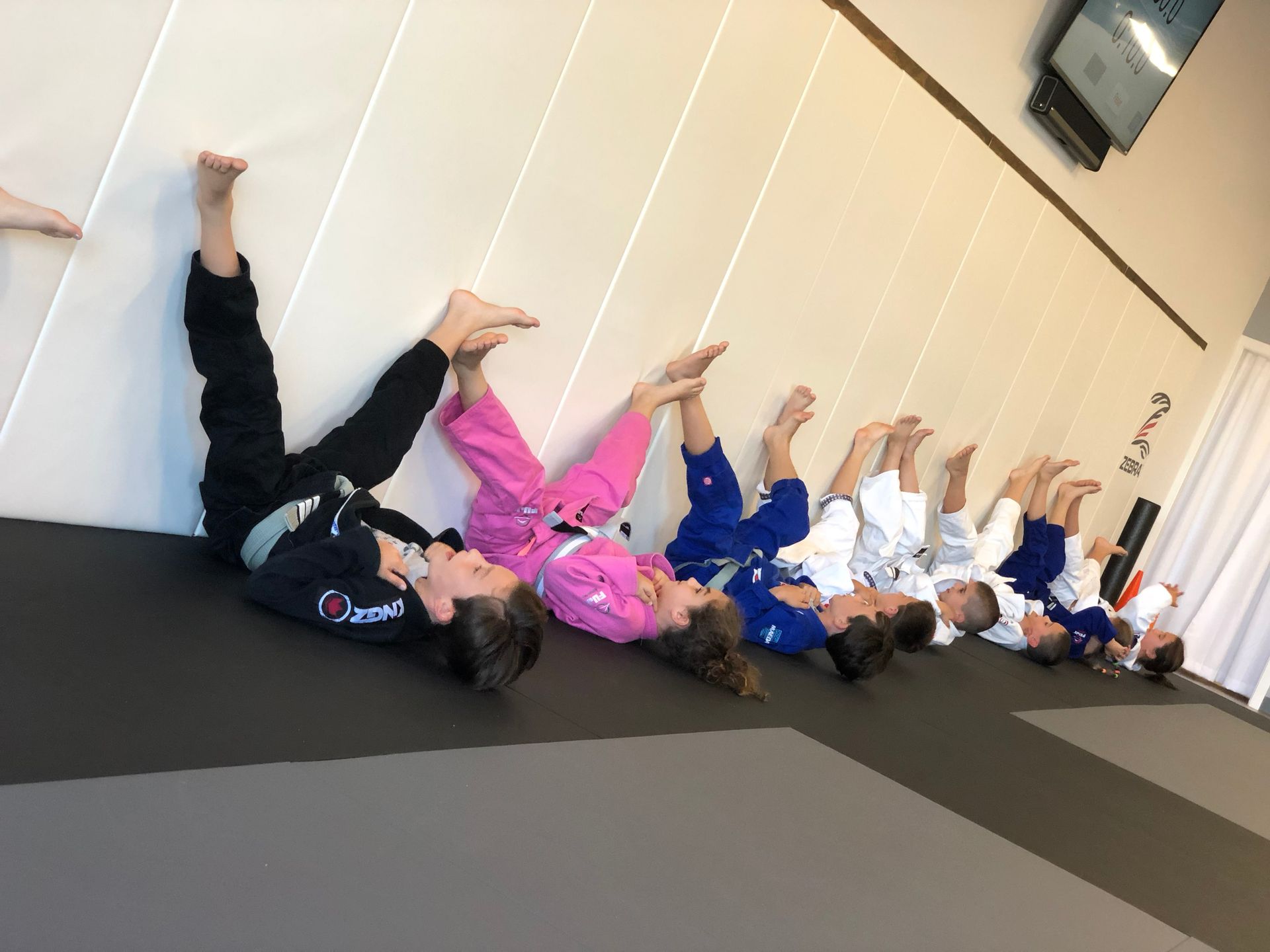
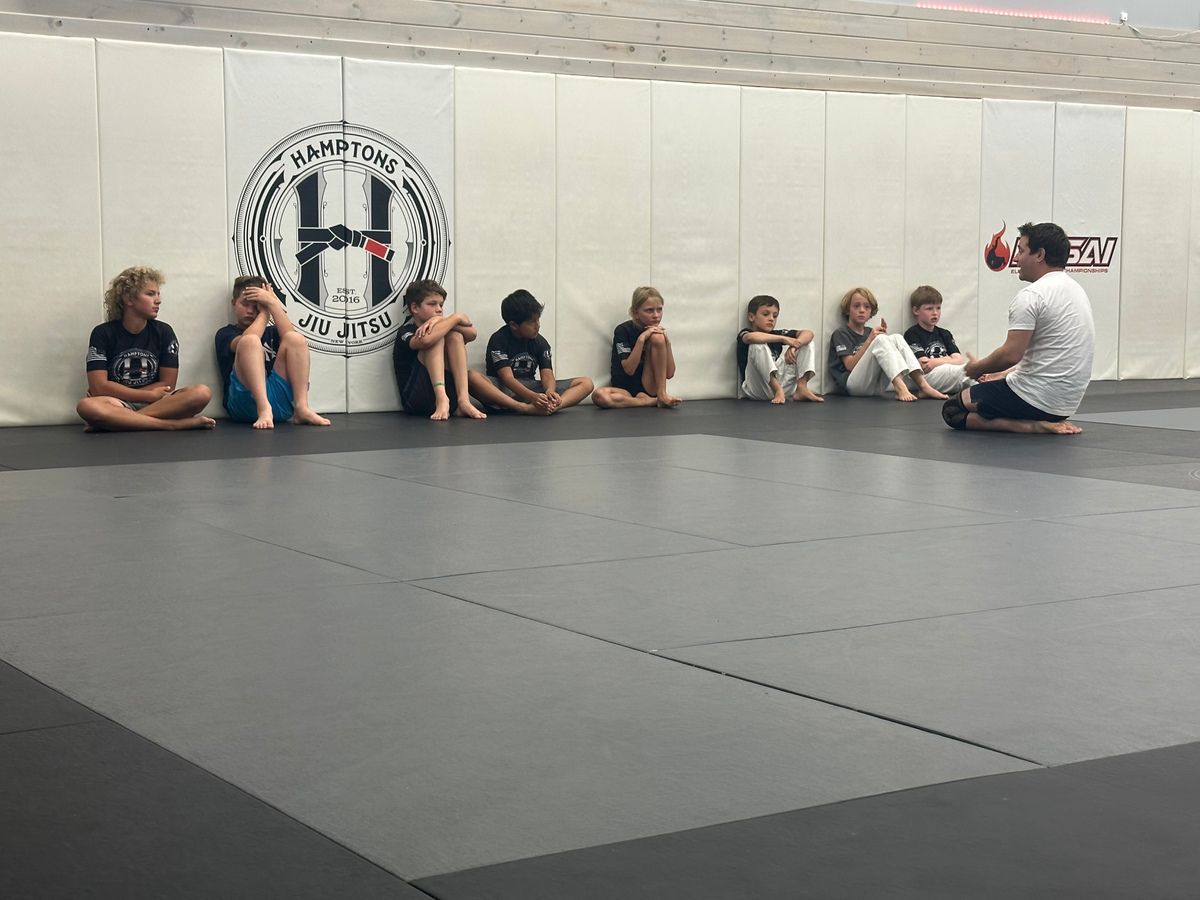
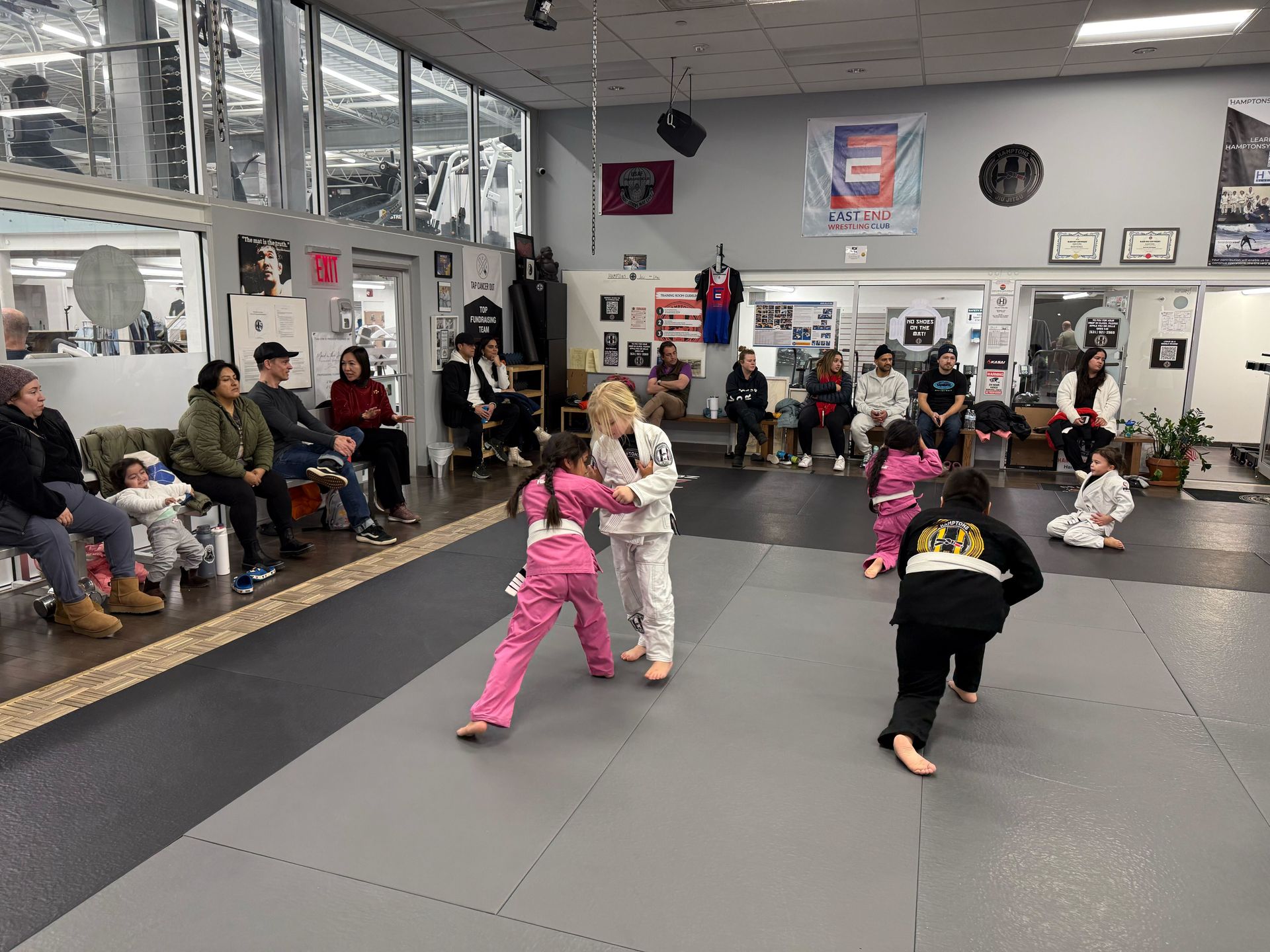
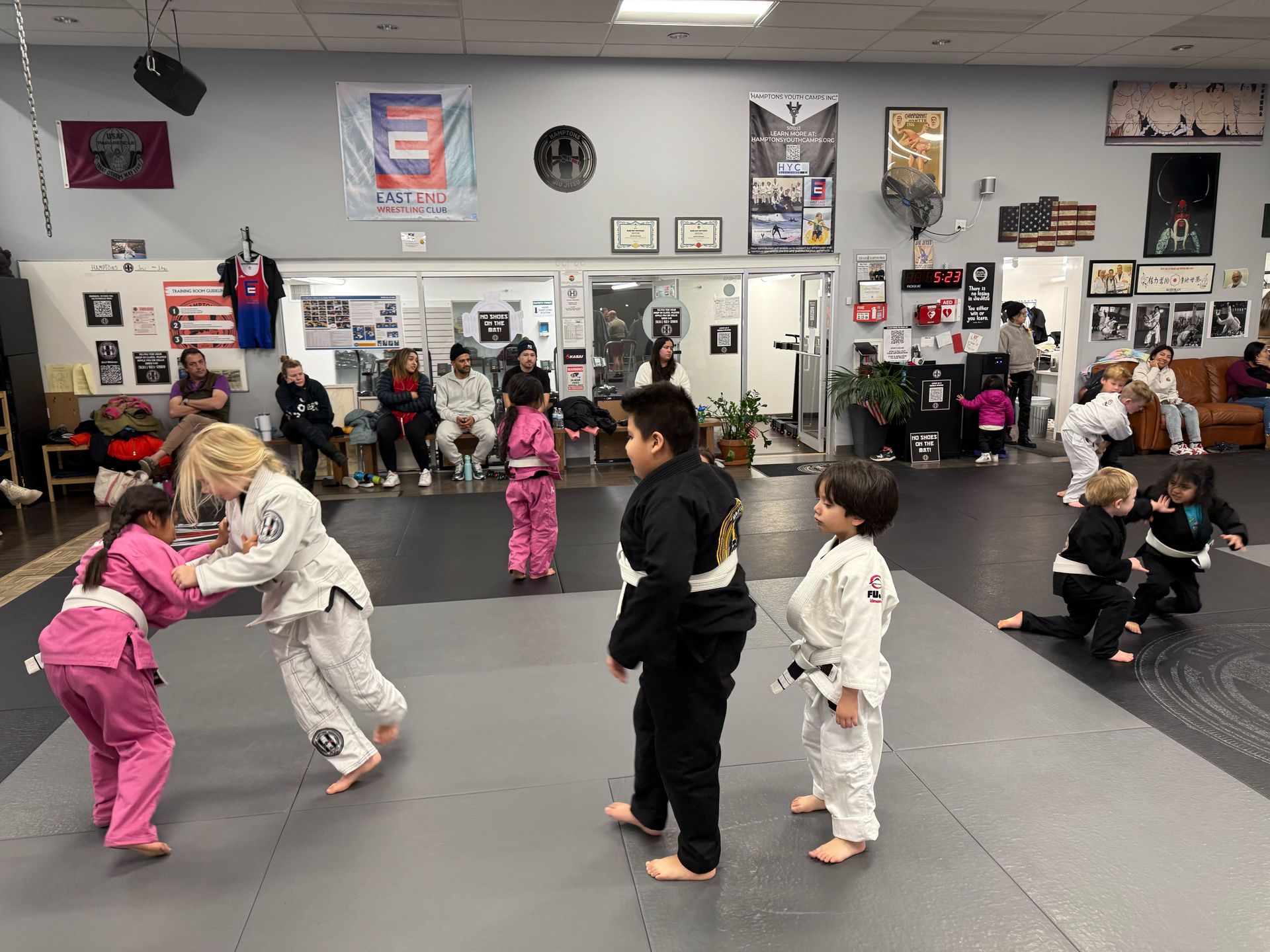
Youth programs are growing across the sport, and for good reason. Jiu jitsu is a strong fit for kids because it teaches body control, respect, and persistence in a format that feels engaging. For Southampton families looking for an all-season activity, it is also reliable: indoor, coached, and consistent.
If you are a parent, we encourage you to focus on the long game. The best results come when kids train steadily and enjoy the process, not when adults rush the timeline.
No-gi and modern training trends
No-gi grappling has expanded quickly, and it is increasingly treated as its own discipline. We keep our training current, and we pay attention to what improves learning efficiency and safety. Across the broader sport, technology like biomechanics analysis and motion capture is becoming more common, with the goal of refining movement and reducing injuries. Even without fancy tools, the idea is the same: efficient technique beats force.
Competitive goals or personal growth: both fit on the same mats
Not everyone wants to compete, and you do not need competition to benefit from jiu jitsu. But it is worth knowing that our academy tracks results through IBJJF competition records, and that competitive structure can be motivating even if you never step on a tournament mat.
We have also seen regional talent develop through consistent training in the area. In April 2024, for example, a Stony Brook Medicine student and blue belt won an IBJJF gold medal while training locally. Moments like that matter because they show what focused, year-round practice can produce.
If your goal is personal, jiu jitsu still delivers: improved fitness, sharper stress management, and a skill set that feels practical. If your goal is competitive, the same consistency that gets you through winter classes can carry you into a tournament camp without needing to reinvent yourself.
How to get started and stay consistent all year
Starting is easier when you know what to expect. Here is the simplest way to build momentum without overthinking it:
1. Start with beginner-friendly classes so you learn safety, positions, and pacing from day one
2. Train two to three times per week for the first two months to build familiarity and conditioning
3. Track one or two focus areas, like escaping side control or maintaining guard, instead of trying to learn everything
4. Add intensity gradually by increasing rounds, not by going harder in every round
5. Reassess each season and adjust your schedule so jiu jitsu stays realistic and sustainable
This is how jiu jitsu in Southampton NY becomes an all-season habit instead of a short burst of motivation.
Take the Next Step
If you want an activity that works in winter, survives summer schedules, and keeps you learning year after year, our jiu jitsu program is built for that kind of consistency. We coach beginners carefully, we support long-term progress, and we keep training grounded in what actually helps you improve.
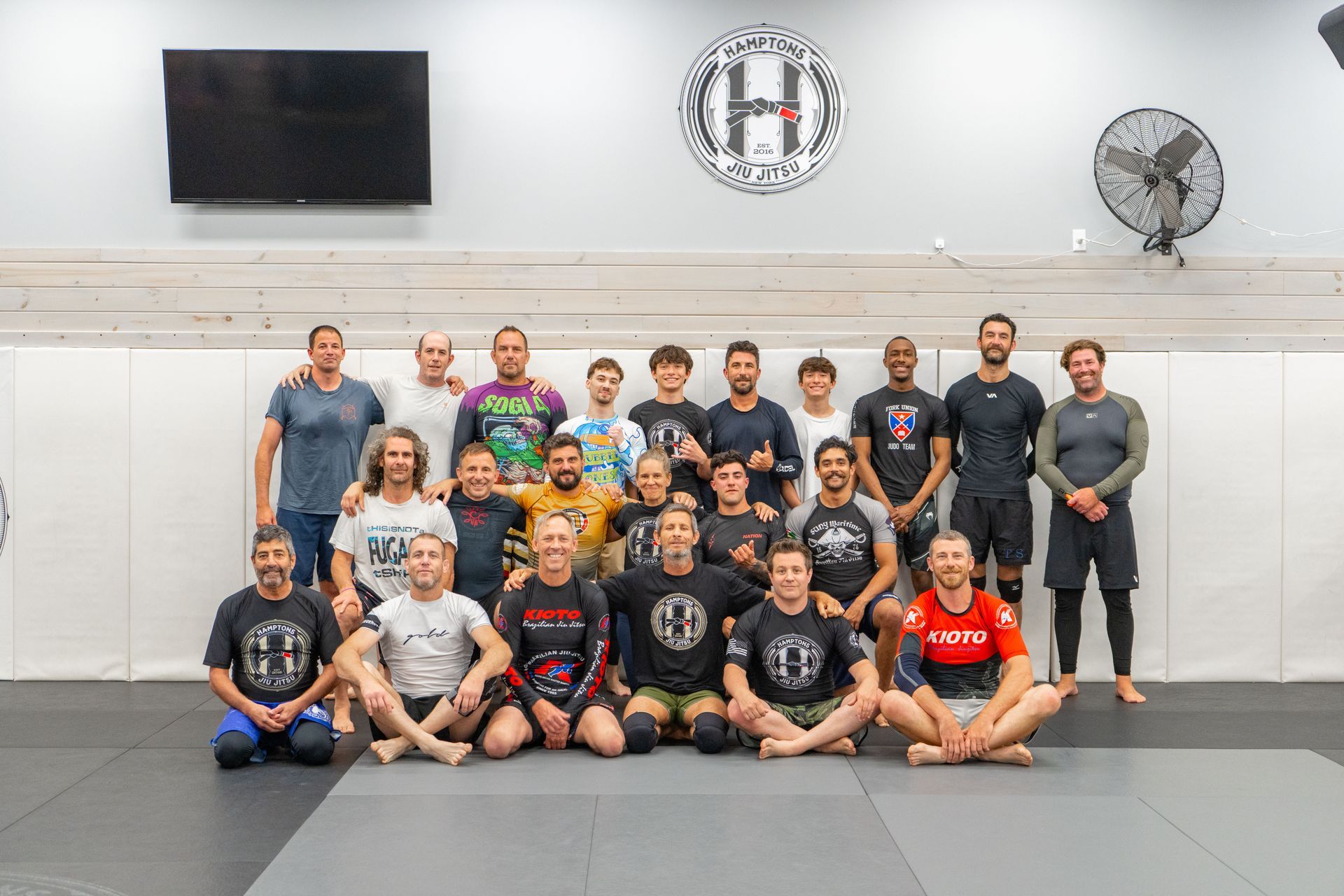
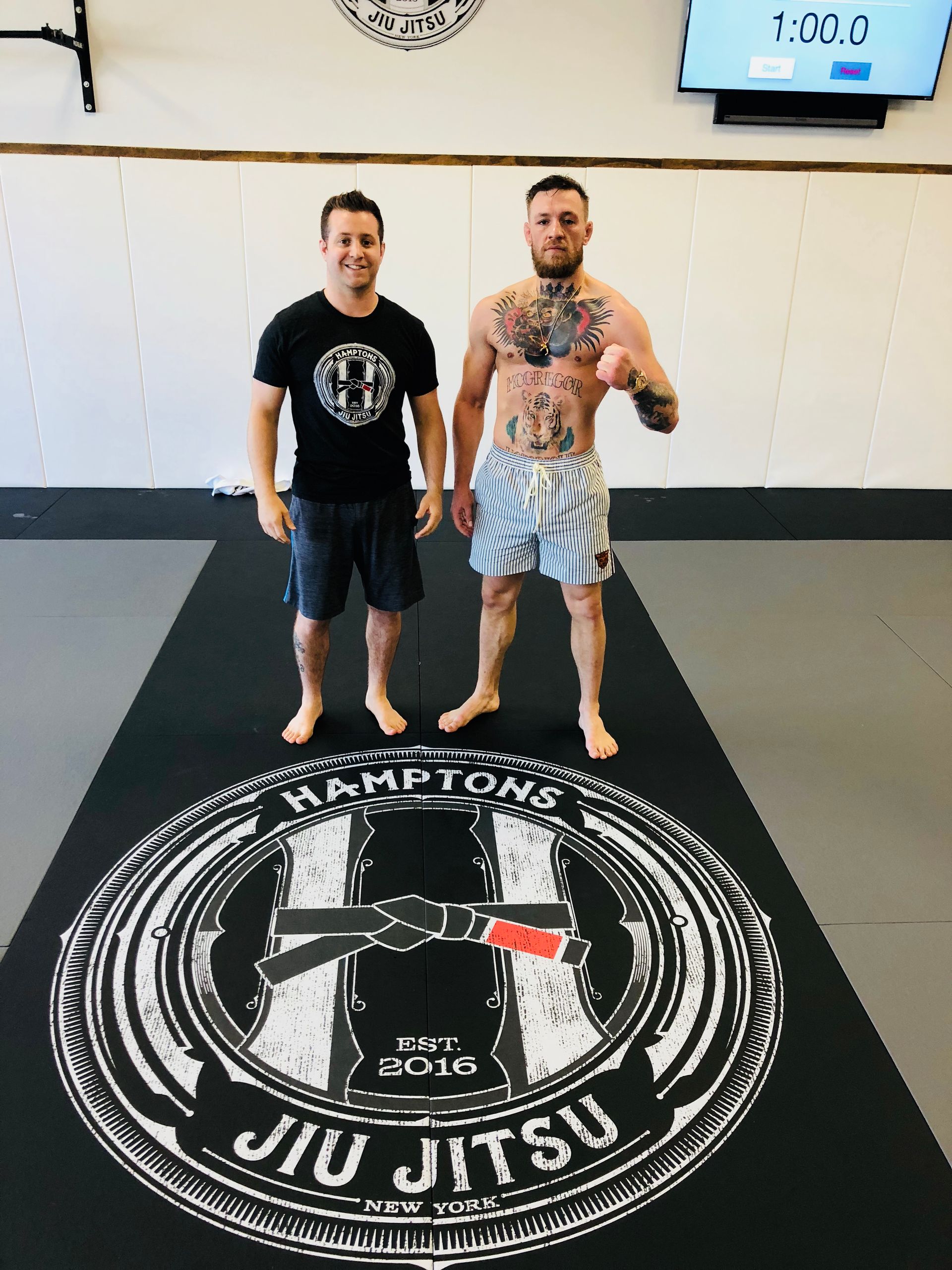
You can train for self-defense, fitness, competition, or just the satisfaction of mastering something real. When you are ready, we would love to welcome you onto the mats at Hamptons Jiu-Jitsu in Southampton and help you build a year-round practice you can stick with.
Experience how Jiu-Jitsu builds resilience and focus by joining a class at Hamptons Jiu-Jitsu.
ACCESS OUR SCHEDULE
& EXCLUSIVE WEB SPECIAL
Secure your spot and get started today with our EXCLUSIVE offer!