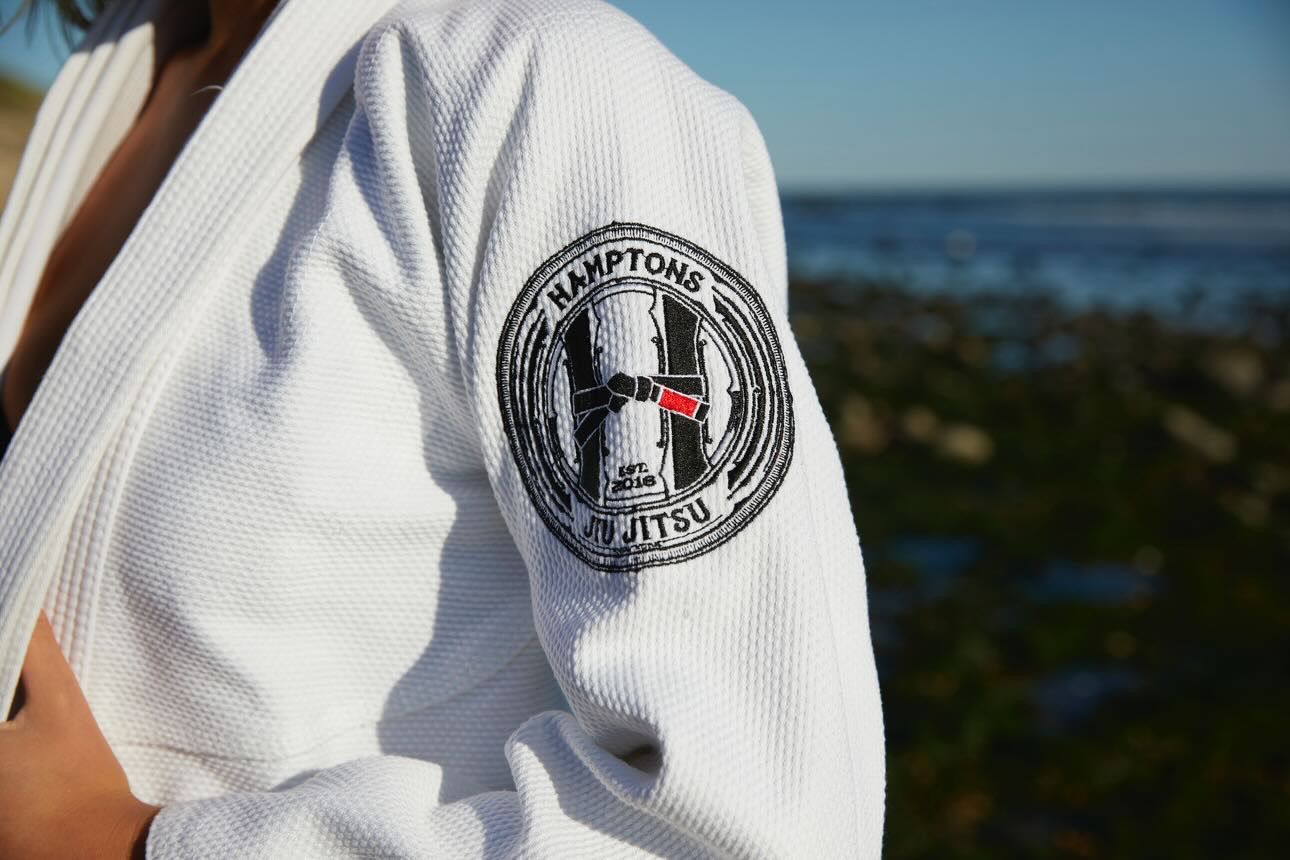

5 Reasons Youth Jiu Jitsu Is the Ultimate After-School Activity
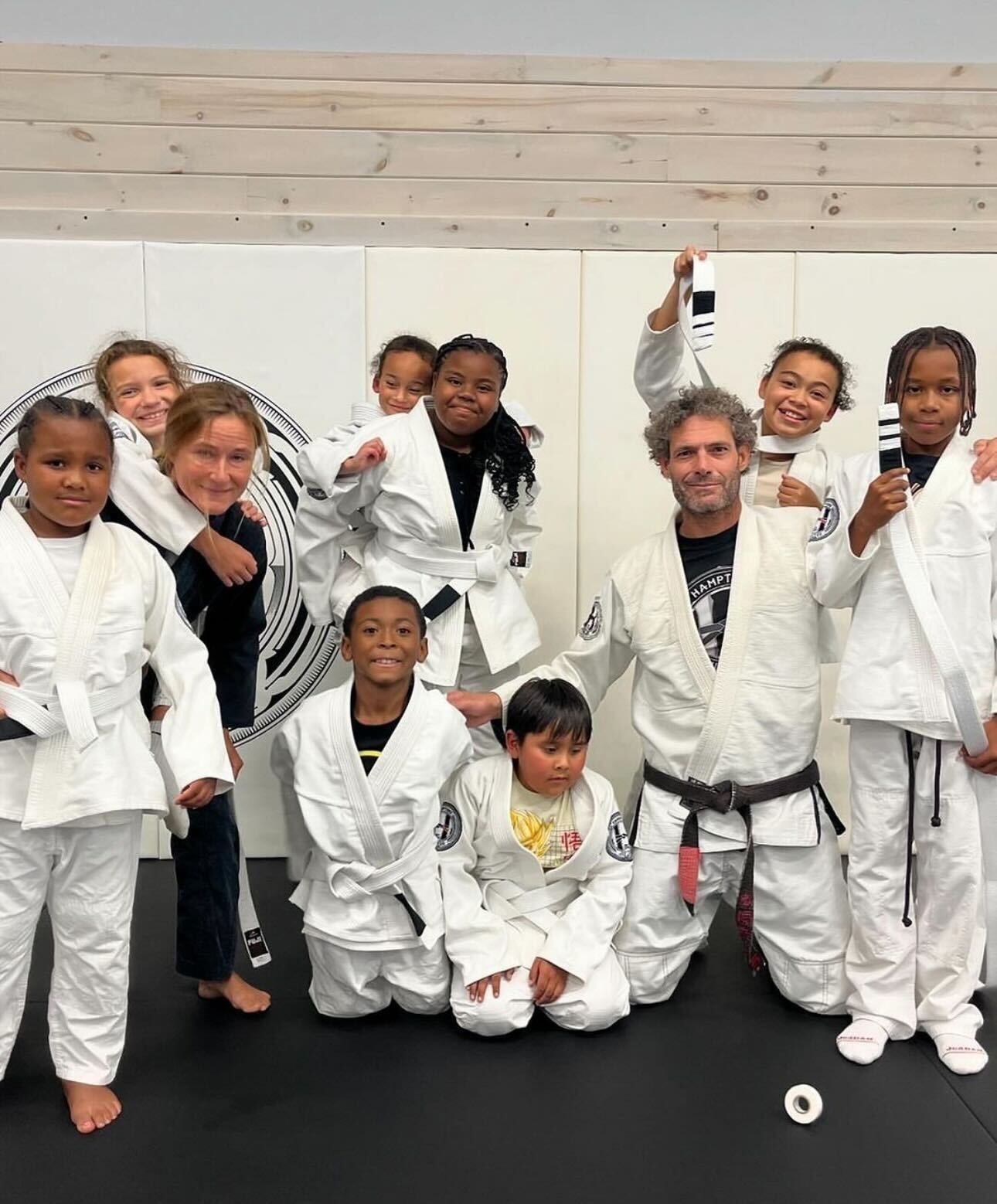
The right after-school activity should build confidence, focus, and real-world resilience all at once.
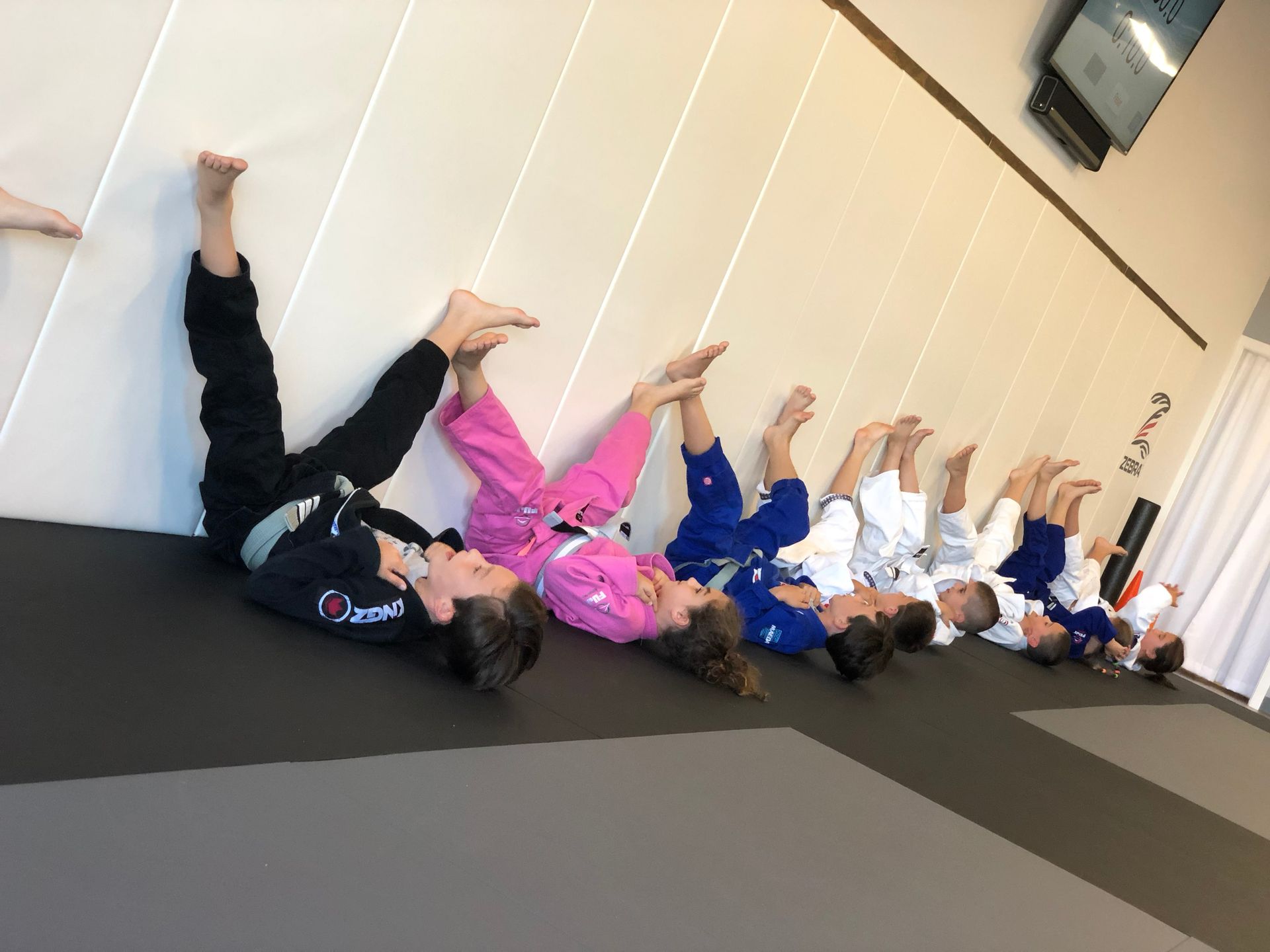
After school, most families in Southampton face the same puzzle: you want something active and structured, but you also want it to genuinely help your child grow, not just burn energy for an hour. That’s exactly why Youth Jiu Jitsu has become one of the most practical, well-rounded options for kids and teens.
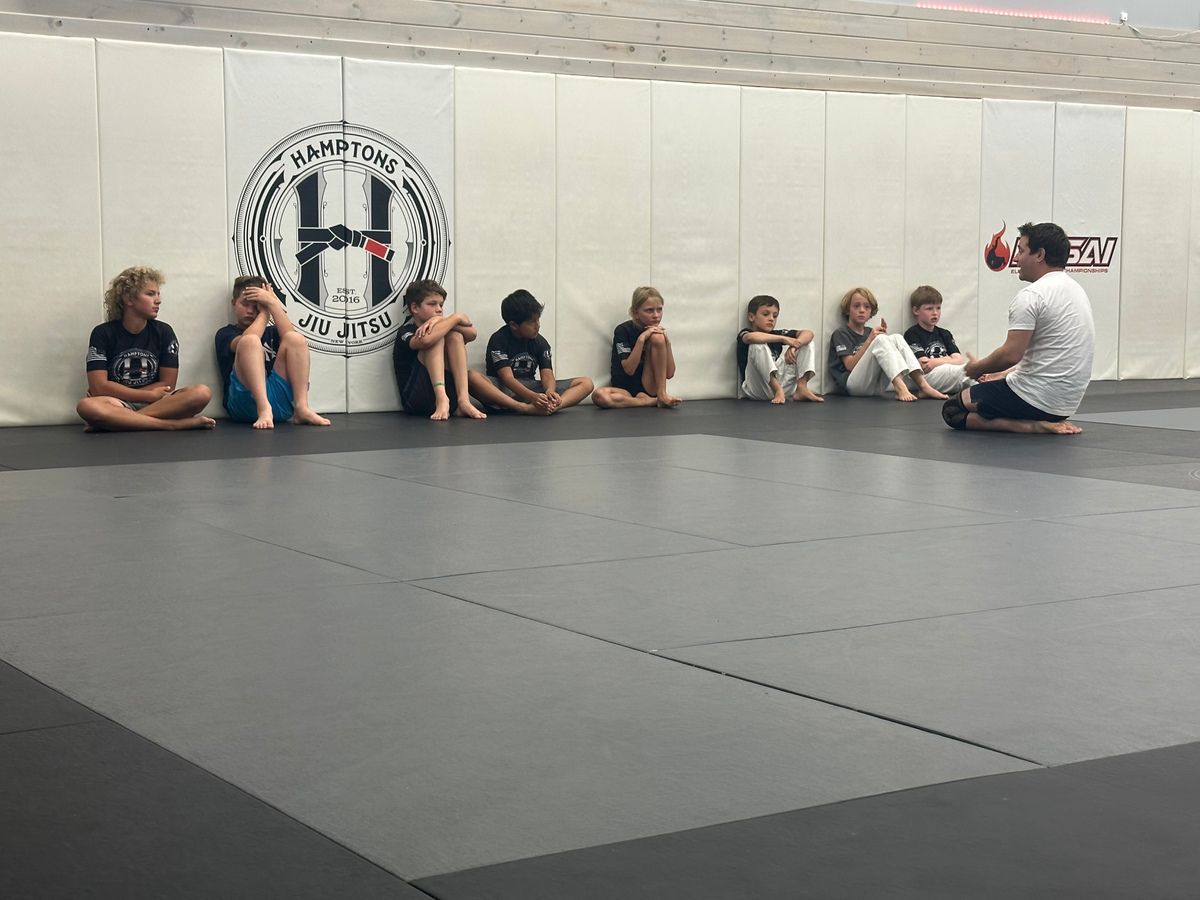
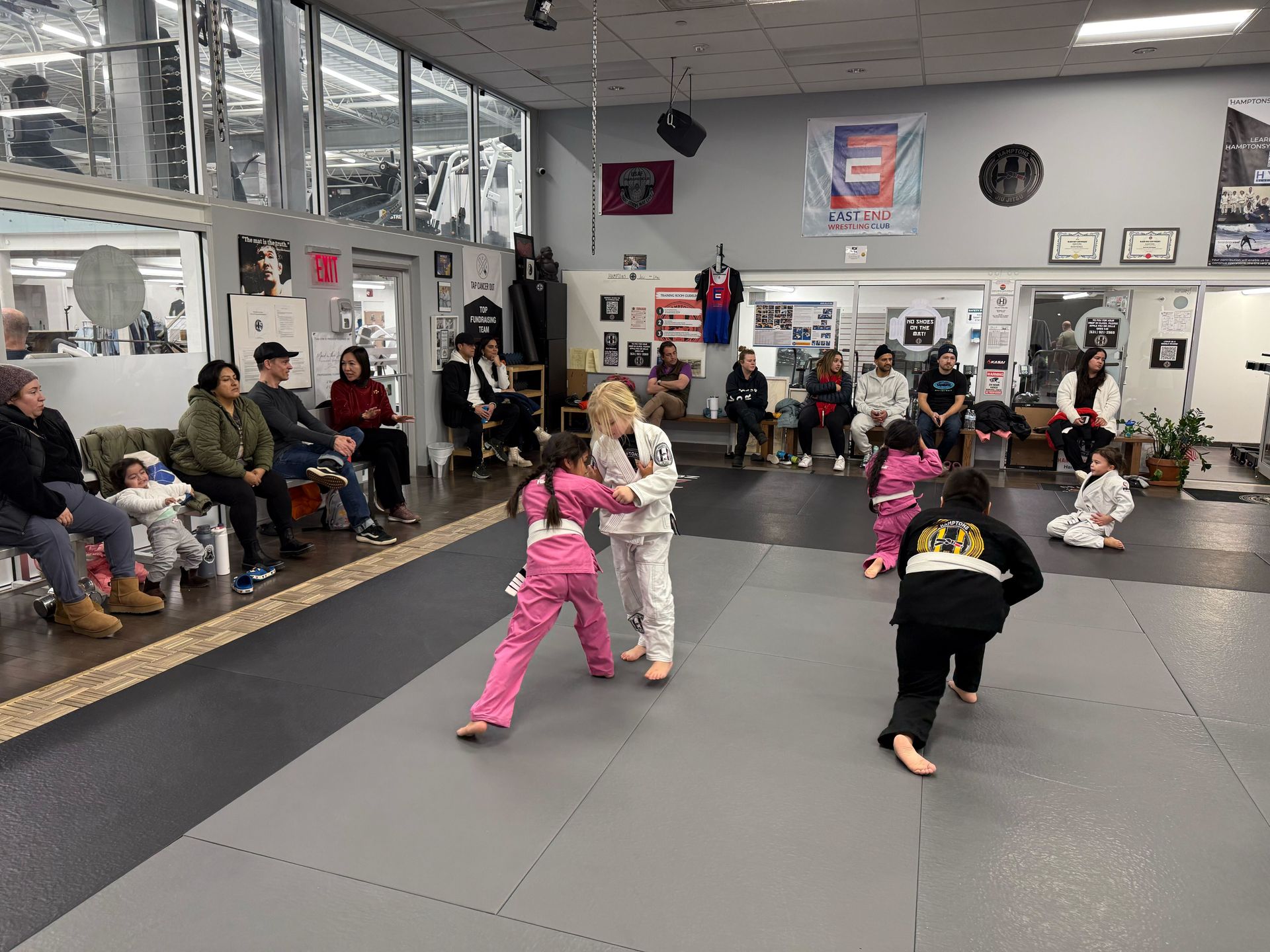
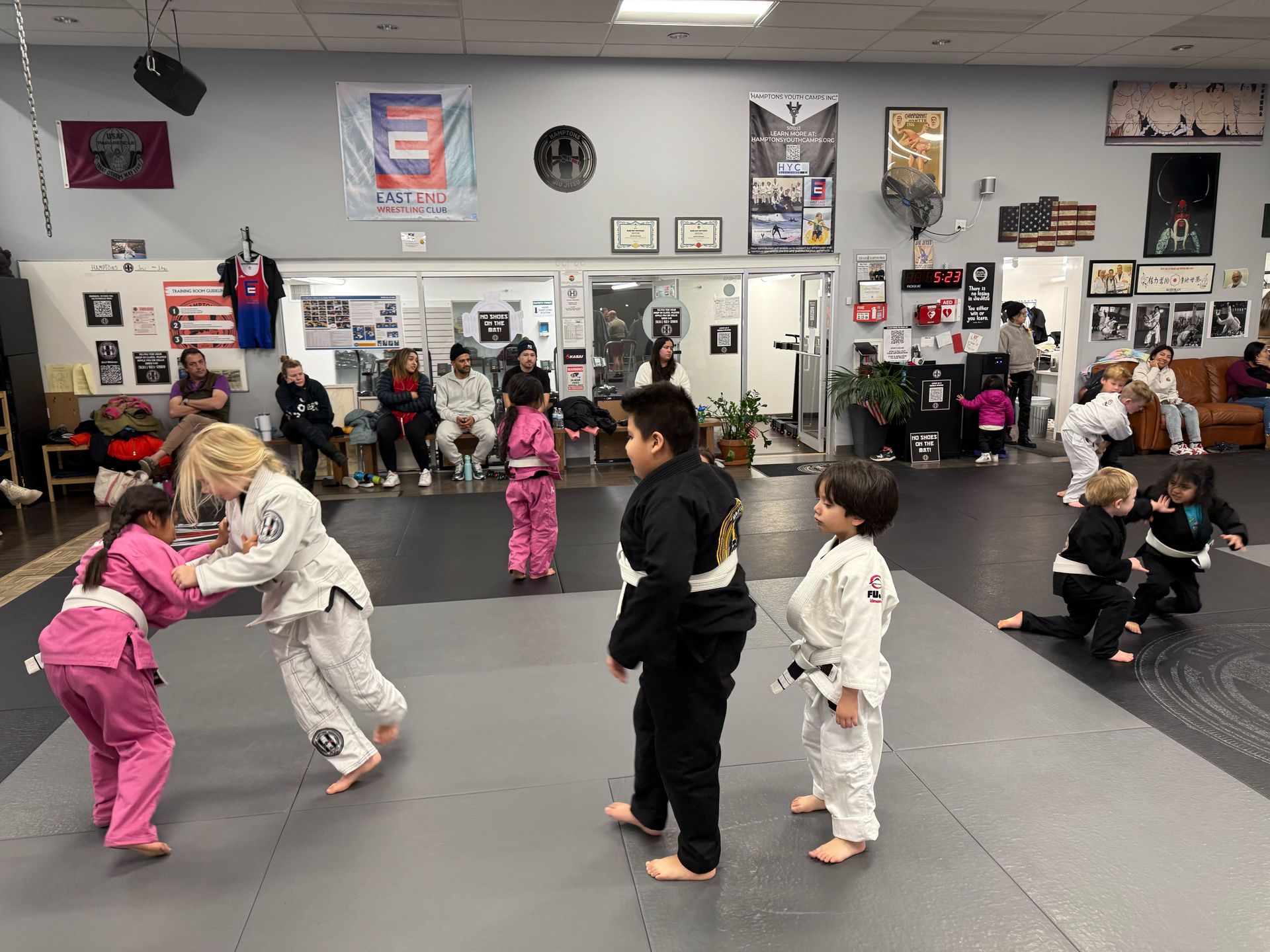
In our Youth Jiu Jitsu classes, we keep training fun, age-appropriate, and highly coached, while still teaching skills your child can actually use. And the best part is that the benefits stack up over time: stronger bodies, calmer minds, better choices under pressure, and a healthier relationship with challenge.
Below are five reasons Youth Jiu Jitsu stands out as an after-school routine for families looking for something meaningful in Southampton, NY.
Reason 1: Youth Jiu Jitsu builds real confidence you can see at home and school
Confidence is not something we try to “pump up” with speeches. It’s something your child earns through repetition and small wins that add up. When kids learn how to shrimp out of a pin, hold balance in a scramble, or calmly reset after a mistake, that progress lands differently than a temporary pep talk.
Research matches what we see on the mat: in one parental report, 96.4 percent of parents noticed improved confidence in children training Brazilian Jiu-Jitsu. That number makes sense because progress in Jiu Jitsu is measurable. Your child can feel the difference between “I can’t do this” and “I can do this now,” and that feeling carries into classrooms, friendships, and even how your child speaks up.
How we help confidence feel earned, not forced
We teach kids to focus on controllables: effort, attention, and respectful behavior. A child does not need to be loud or extroverted to thrive. Plenty of quiet kids build strong confidence in our room because the training rewards consistency and problem-solving, not volume.
If you’re looking for Youth Jiu Jitsu in Southampton NY that strengthens confidence without turning practice into pressure, our approach stays steady: learn the skill, practice it safely, and celebrate progress that’s real.
Reason 2: It teaches practical self-defense and anti-bullying skills, without encouraging aggression
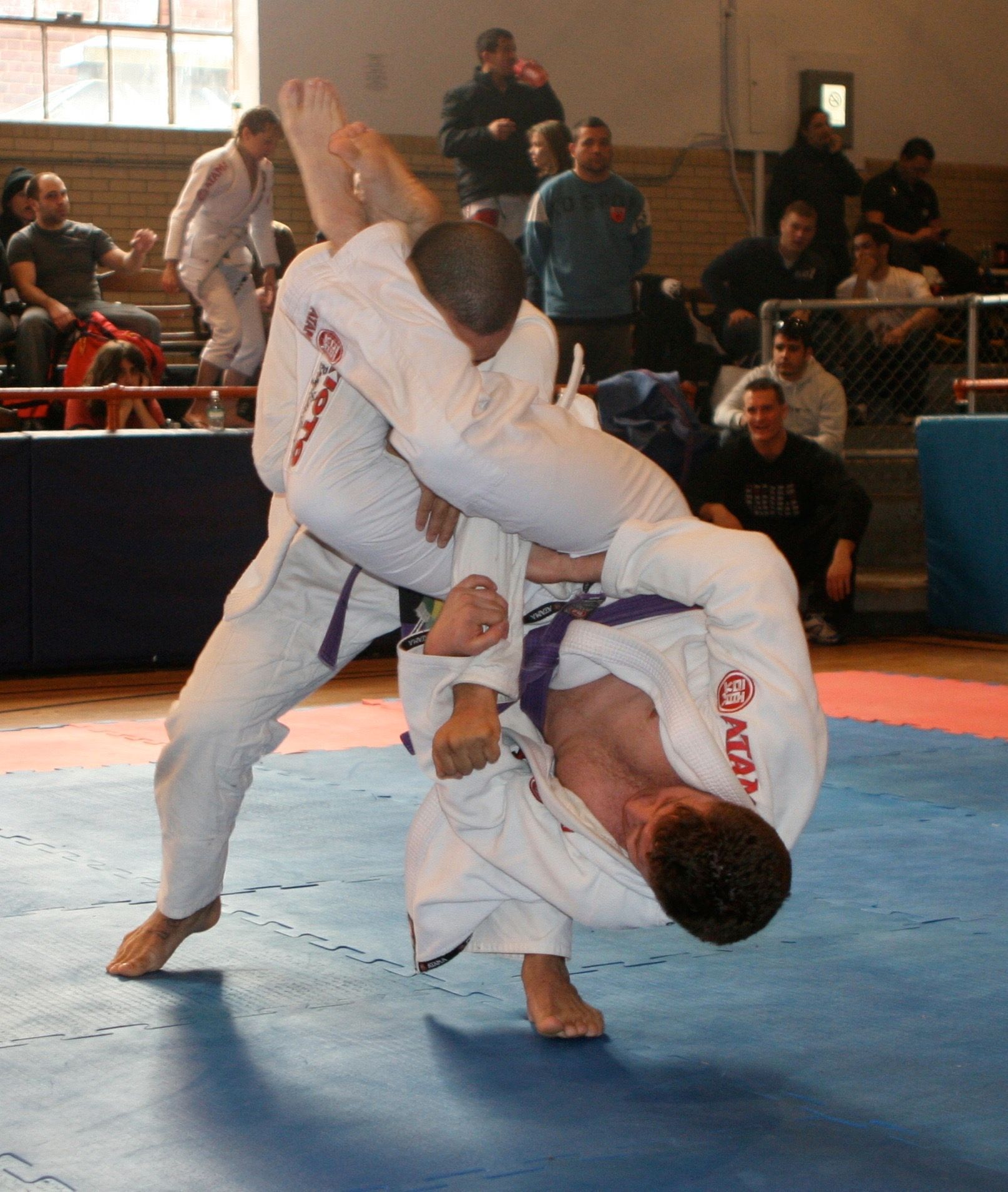
Most parents are not looking for their child to “win fights.” You want your child to feel safe, set boundaries, and handle uncomfortable situations with control. Youth Jiu Jitsu is uniquely suited for that because it emphasizes leverage, positioning, and escapes, not striking.
We teach kids how to manage distance, break grips, stand up safely, and stay calm when someone is pushing or grabbing. Those details matter. A child who knows how to regain posture and create space is less likely to panic, and less likely to escalate a situation.
What anti-bullying training looks like in our classes
We keep the message consistent: use your voice first, get an adult when needed, and train skills that help you protect yourself if you can’t walk away. The mat gives kids a place to practice staying composed when things get uncomfortable, which is often the biggest hurdle in real life.
Practical self-defense also supports a subtle but important shift: when kids feel capable, they often become less reactive. That can reduce the likelihood of conflict in the first place, which is the outcome most families want.
Reason 3: It improves focus and discipline in a way that transfers to school
A good after-school activity should help your child settle, not just tire out. Youth Jiu Jitsu requires attention to steps, timing, and listening. Kids learn that details matter: where your hands go, how your hips move, when to breathe, when to pause. That kind of practice is basically focus training with a built-in feedback loop.
In a parental report on youth BJJ benefits, 78.6 percent noted improved concentration. We see that show up in small moments: kids waiting for instruction, remembering sequences, and staying engaged even after making mistakes. Over time, that becomes a habit.
Why structure matters in a busy Southampton schedule
After-school hours can feel like a blur. Our classes give your child a predictable routine:
- Line up, bow in, and get centered
- Learn a technique with clear steps
- Practice with a partner under close supervision
- Apply skills in controlled games or light sparring
- Cool down, reflect, and bow out
That rhythm teaches discipline in a calm, repeatable way. If your child struggles with impulse control or gets easily distracted, Jiu Jitsu can be a surprisingly good fit because the class keeps hands and mind busy, with a purpose.
Reason 4: It builds athleticism, coordination, and resilience without relying on “being the biggest”
A lot of youth sports reward early growth spurts. Youth Jiu Jitsu rewards body awareness, balance, timing, and problem-solving. That’s good news for kids who aren’t the biggest or fastest, and it’s still valuable for kids who are naturally athletic but need a challenge that stays mentally engaging.
Physically, training supports:
- Coordination and agility through movement drills and controlled grappling
- Cardio and muscular endurance through rounds and games
- Flexibility and joint awareness through safe ranges of motion
- Reflexes and reaction time through partner work and timing
Mentally, resilience develops because the learning process includes discomfort. Not unsafe discomfort, but the normal kind: getting stuck, trying again, and realizing you can improve. Research on more experienced practitioners shows higher mental strength, resilience, self-efficacy, and self-control, with training experience correlating positively with these traits. Kids don’t need to become advanced belts to benefit from that pathway, but the direction is clear.
A healthier relationship with challenge
We coach kids to treat setbacks as information. If something didn’t work, we adjust the angle, change the grip, or choose a different option. That problem-solving mindset is one of the most underrated reasons Youth Jiu Jitsu works as an after-school activity. Your child learns that frustration is a normal part of growth, not a stop sign.
Reason 5: It creates a sense of belonging and teaches social skills that last
Southampton families often want an activity that feels positive and grounded. Youth Jiu Jitsu has a built-in culture of respect. Kids train with partners of different personalities and skill levels, and they learn to cooperate while still working hard. That mix is powerful.
In one report, 100 percent of parents sensed community building through youth BJJ. That sense of belonging matters because kids are navigating a lot: social pressure, school expectations, and the general noise of modern life. A consistent place where effort is respected can become an anchor in the week.
Life skills that show up off the mat
Jiu Jitsu naturally teaches:
- Empathy, because you work with partners and learn control
- Communication, because you have to listen and ask questions
- Accountability, because your progress reflects your effort
- Respect, because safety and learning require it
And yes, it can be a relief to find an after-school environment where kids are encouraged to be present, not glued to a screen.
What ages can start and what your child will work on
Parents often ask what age is best to start. We generally find ages 4 to 5 are a strong starting point for motor readiness, but we structure classes so kids can learn at an appropriate pace. The goals change as kids grow, and that’s intentional.
Here’s a simple breakdown of what we typically emphasize by stage:
1. Ages 4 to 5: balance, coordination, listening skills, and simple movement patterns
2. Ages 6 to 7: confidence, respect, basic positions, and safe partner habits
3. Ages 8 to 13: discipline, problem-solving, conditioning, and more detailed technique
4. Ages 14 to 18: stress relief, leadership, sharper decision-making, and consistent training habits
If you’re exploring Jiu Jitsu Southampton options because your child needs something more engaging than typical after-school routines, this age-based progression is a big reason Youth Jiu Jitsu works long term.
Is Youth Jiu Jitsu safe for kids?
Safety is not an afterthought. It’s built into how we teach, pair students, and progress intensity. Our youth classes focus on control, tapping, and supervised drills. We keep techniques age-appropriate and make sure kids understand the difference between training and roughhousing.
Parents also ask about mental health. The trends from 2022 to 2025 emphasize psychological gains in youth BJJ, including reduced anxiety. One parental report noted 87.5 percent observed reduced anxiety. We can’t promise a specific outcome for every child, but we can say this: a structured routine, supportive coaching, and physical movement are a strong combination for many kids.
Take the Next Step
If you want an after-school activity that builds confidence, focus, self-defense skill, and a genuine sense of community, Youth Jiu Jitsu checks all the boxes in a way that’s hard to replicate with typical routines. You don’t need your child to be “tough” to start. You just need a consistent place to learn, practice, and improve week by week.
That’s the experience we’ve built at Hamptons Jiu-Jitsu, and it’s why so many local families choose to make training part of their school-year rhythm. If you’re looking for Youth Jiu Jitsu in Southampton NY with a structured program and a welcoming culture, we’re ready when you are at Hamptons Jiu-Jitsu.
Step onto the mats with confidence and start learning Brazilian Jiu-Jitsu at Hamptons Jiu-Jitsu.
ACCESS OUR SCHEDULE
& EXCLUSIVE WEB SPECIAL
Secure your spot and get started today with our EXCLUSIVE offer!