
How Brazilian Jiu Jitsu Transforms Stress Into Strength and Focus
The fastest way to change how stress feels is to practice staying calm when it shows up.
Stress is not always the enemy, but chronic stress can start to run your day, your sleep, and your ability to focus. We see it in busy professionals, parents juggling schedules, students, and anyone who carries a lot on their shoulders. The good news is that your nervous system can be trained, and brazilian jiu jitsu is one of the most practical ways we know to do it.
In our classes, stress is not something we pretend is not there. Instead, we teach you how to meet pressure with structure: posture, breathing, problem-solving, and a steady mindset. When you practice those skills on the mat, you also practice them for real life, because your body learns what “calm under load” feels like.
Why brazilian jiu jitsu works so well for stress, not just fitness
Most workouts help with stress because movement changes your physiology. BJJ does that, too, but it adds an important layer: decision-making under pressure. You are not just lifting or running. You are reading a situation, adjusting, and staying composed while someone is actively trying to out-position you.
That combination matters. Physical exertion supports the release of endorphins, your body’s natural stress relievers. At the same time, you are pulled into the present moment, because you have to be. The to-do list fades when you are working on frames, base, and escapes. It is hard to ruminate when you are solving a live puzzle in real time.
The physiology behind the calm: breath, endorphins, and better regulation
One of the first things we coach, especially with beginners, is breathing. It sounds simple, but it is not always easy. Under pressure, most people hold their breath, tense their shoulders, and rush. On the mat, you get immediate feedback: breath-holding makes everything feel heavier, and steady breathing makes movement feel possible.
Breath control helps lower stress and anxiety because it signals safety to your nervous system. Combined with exertion, it creates a clean kind of fatigue, the kind where you feel tired but clear. Over time, many students notice they recover faster from stressful moments, not because life gets quieter, but because the body gets better at switching gears.
There is also strong interest in how intense exercise supports brain health through factors like BDNF, a protein connected to learning, memory, and mood regulation. We cannot promise a specific outcome for every person, but we can say this: consistent training tends to sharpen people, and that is a big reason many students keep showing up.
Turning “bad stress” into “manageable stress” you can handle
Not all stress is equal. Chronic, uncontrolled stress wears you down. Manageable, time-limited stress can actually build capacity. On the mats, you experience a controlled version of pressure. You tap, reset, breathe, and go again. That loop teaches your brain something important: discomfort is information, not a catastrophe.
This is one reason brazilian jiu jitsu can feel surprisingly grounding for people who deal with anxiety. You do not need to be calm before you start. You build calm through reps, coaching, and gradual exposure. We keep the room structured and the pace progressive so you are challenged, but not thrown into chaos.
Focus training in disguise: why BJJ feels like moving meditation
If you have ever tried to meditate during a busy season of life, you know how tough it can be. BJJ offers another path into the same skill set: attention. Your mind has to settle on what is real, right now, in your grips, your balance, your timing.
We see focus develop in layers. At first, beginners are simply trying to remember where their hands go and how to move their hips. Then, something clicks: you start noticing patterns. You begin to anticipate instead of react. That shift, from scattered to intentional, often carries into work and home. People describe handling difficult conversations more cleanly, planning better, and feeling less mentally “spun up.”
Mental resilience: confidence that comes from problem-solving, not hype
Confidence is not a slogan. It is earned. In BJJ, you learn to work through bad positions, solve problems with technique, and stay patient when you would normally panic. That is resilience, built the honest way.
Research on BJJ training has linked experience with qualities like grit, self-efficacy, and self-control, and has even shown differences across skill levels. That makes sense in day-to-day training: the longer you stay consistent, the more you trust your ability to figure things out. You stop needing perfect conditions to stay composed.
And yes, you will have rough rounds. Everyone does. The difference is that you learn how to recover, adjust, and keep going without taking it personally.
What you practice on the mat shows up in real life
We like to explain this as skill transfer. On the mat, you learn to:
• Notice when you are tensing up and relax without quitting
• Breathe through pressure instead of rushing decisions
• Accept a temporary disadvantage and work methodically to improve position
• Stay coachable, even when you feel frustrated
• Reset quickly after a mistake
Those skills do not stay in the gym. Many students tell us they handle stressful meetings more calmly, feel more patient with family, and recover faster after setbacks. It is not magic. It is practice.
How our classes build calm and capability, even if you are brand new
If you are looking for jiu jitsu Southampton training, one of the biggest questions is usually about fit: “Will I be totally lost?” We design our classes so you can start from zero and build real competence over time.
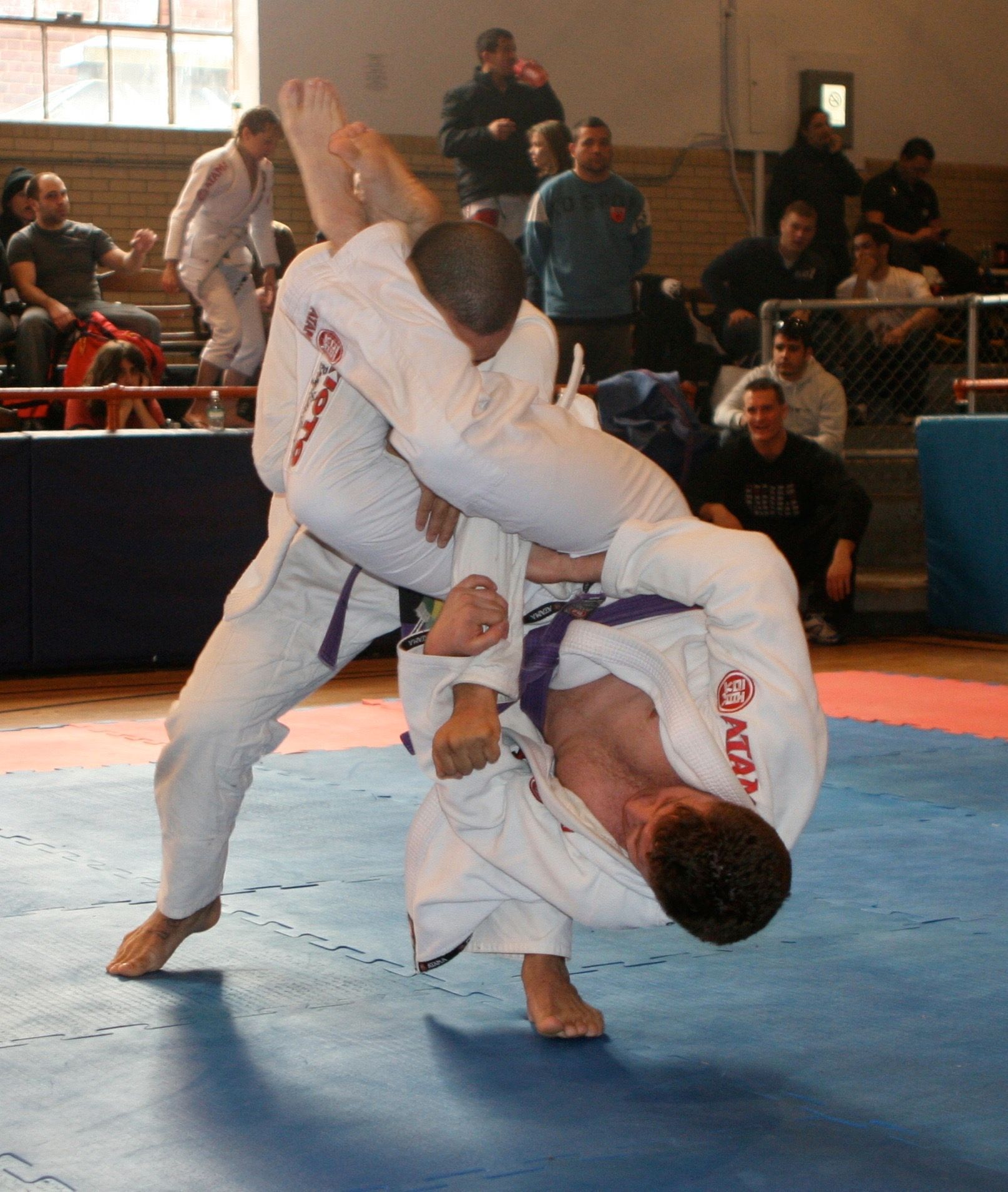
We teach technique in a way that is clear and repeatable. Drilling gives you the reps you need, and controlled sparring helps you apply what you learned without turning it into a brawl. Our job is to keep things challenging enough to grow, and structured enough to feel safe.
What a typical class feels like
Most classes follow a rhythm. You warm up with movement that supports the techniques of the day, then we teach a sequence with a clear purpose: control, escape, or submission. After that, you drill with a partner, and we coach details that make techniques work for different body types and experience levels.
Rolling is where focus and stress-management really get trained. For beginners, we guide you into it gradually. You will learn how to tap early, how to communicate, and how to choose training intensity. That part matters more than people expect.
The timeline: when you may notice changes in stress and focus
Some people feel better after the very first class because movement and community help immediately. For deeper changes, think in weeks, not days. Research has shown measurable improvements in areas like emotional symptoms and attention in as little as 12 weeks for kids, and more experienced practitioners often show higher resilience and life satisfaction markers.
In real life, many adults notice early wins like better sleep and less mental noise within the first month, especially if they train consistently. Then the bigger shift shows up: you start trusting yourself under pressure. That is when stress stops feeling like a wall and starts feeling like something you can work with.
Training with anxiety, trauma history, or a high-stress job
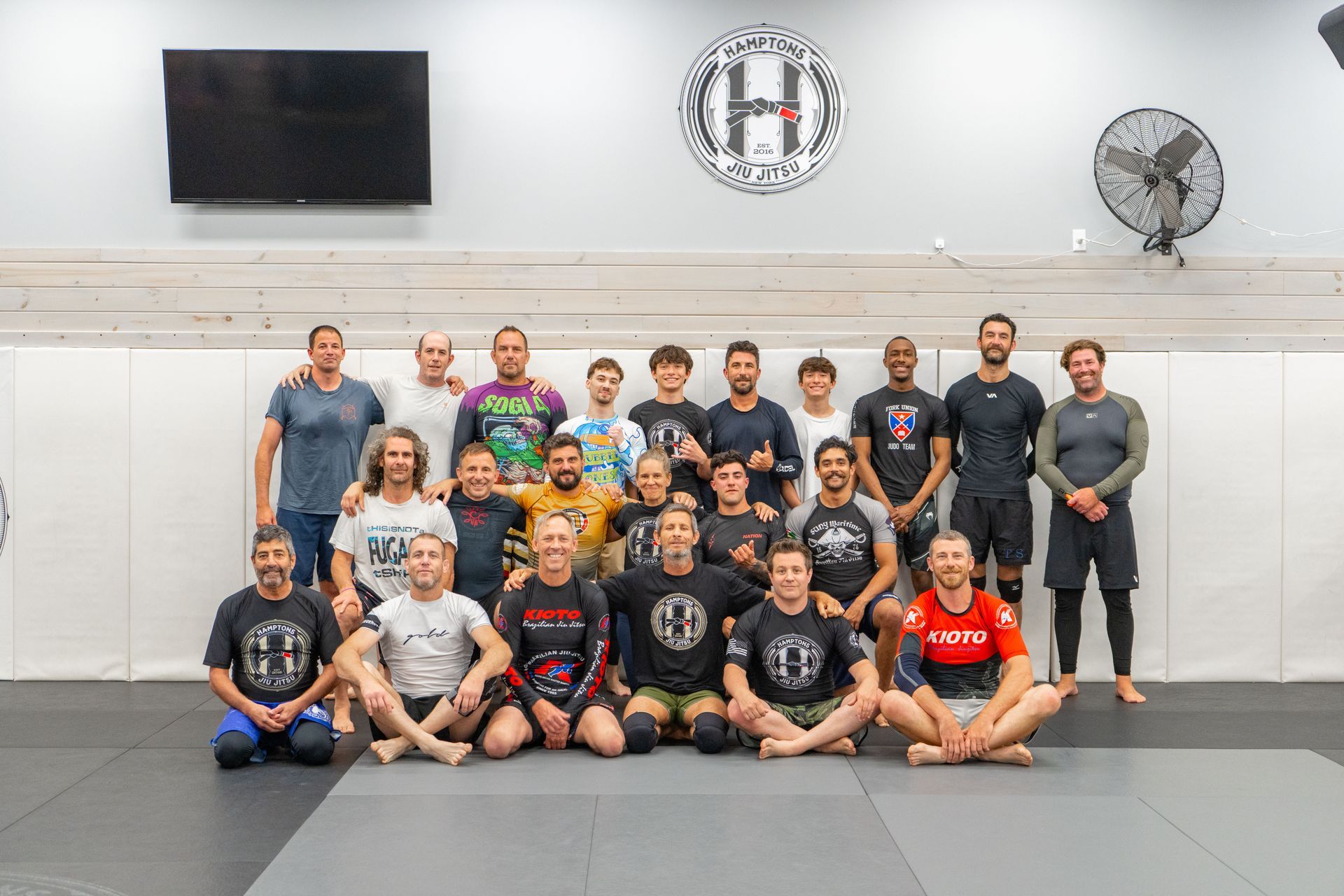
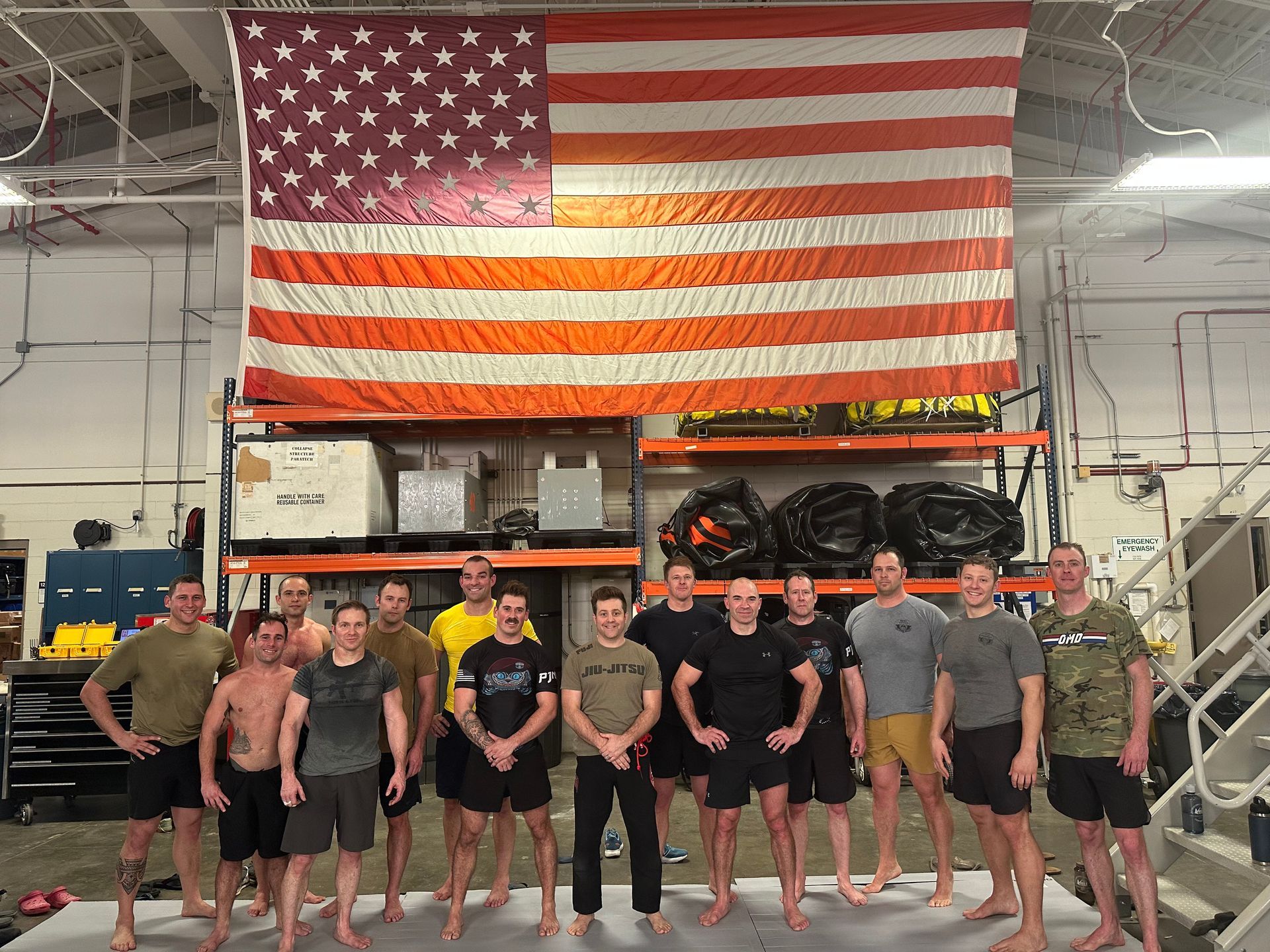
We train people who carry a lot, including veterans, first responders, and people who have simply lived through difficult seasons. BJJ has been studied as a helpful tool for PTSD symptoms, depression, and anxiety, often because it combines structure, repetition, and a controlled form of exposure to stress.
We are not a replacement for professional mental health care, and we will never pretend we are. But we do create a consistent, respectful environment where you can practice regulating your body and mind. If you need to go slow, we go slow. If you need clear boundaries, we respect them. The goal is progress that feels stable, not forced.
How to start training without overthinking it
Getting started with brazilian jiu jitsu in Southampton should feel straightforward. If you are worried about being out of shape or not “tough enough,” you are not alone. Most beginners have that thought, and it fades fast once you see how technique-driven this art really is.
Here is the simplest way to approach your first few weeks:
1. Pick a realistic training schedule you can maintain, even if it is just two days a week.
2. Focus on fundamentals like posture, frames, and escapes before chasing flashy moves.
3. Treat early sparring as information gathering, not a test you must pass.
4. Ask questions, because small details change everything in BJJ.
5. Track non-scale wins like better sleep, calmer reactions, and improved focus at work.
Consistency beats intensity. That is true in training, and it is true in stress management.
Ready to Transform Your Stress Into Strength at Hamptons Jiu-Jitsu
If you want stress relief that is active, skill-based, and genuinely useful, brazilian jiu jitsu gives you a path you can measure week by week. You learn how to breathe under pressure, how to stay present, and how to keep thinking when things get uncomfortable, which is basically the definition of focus.
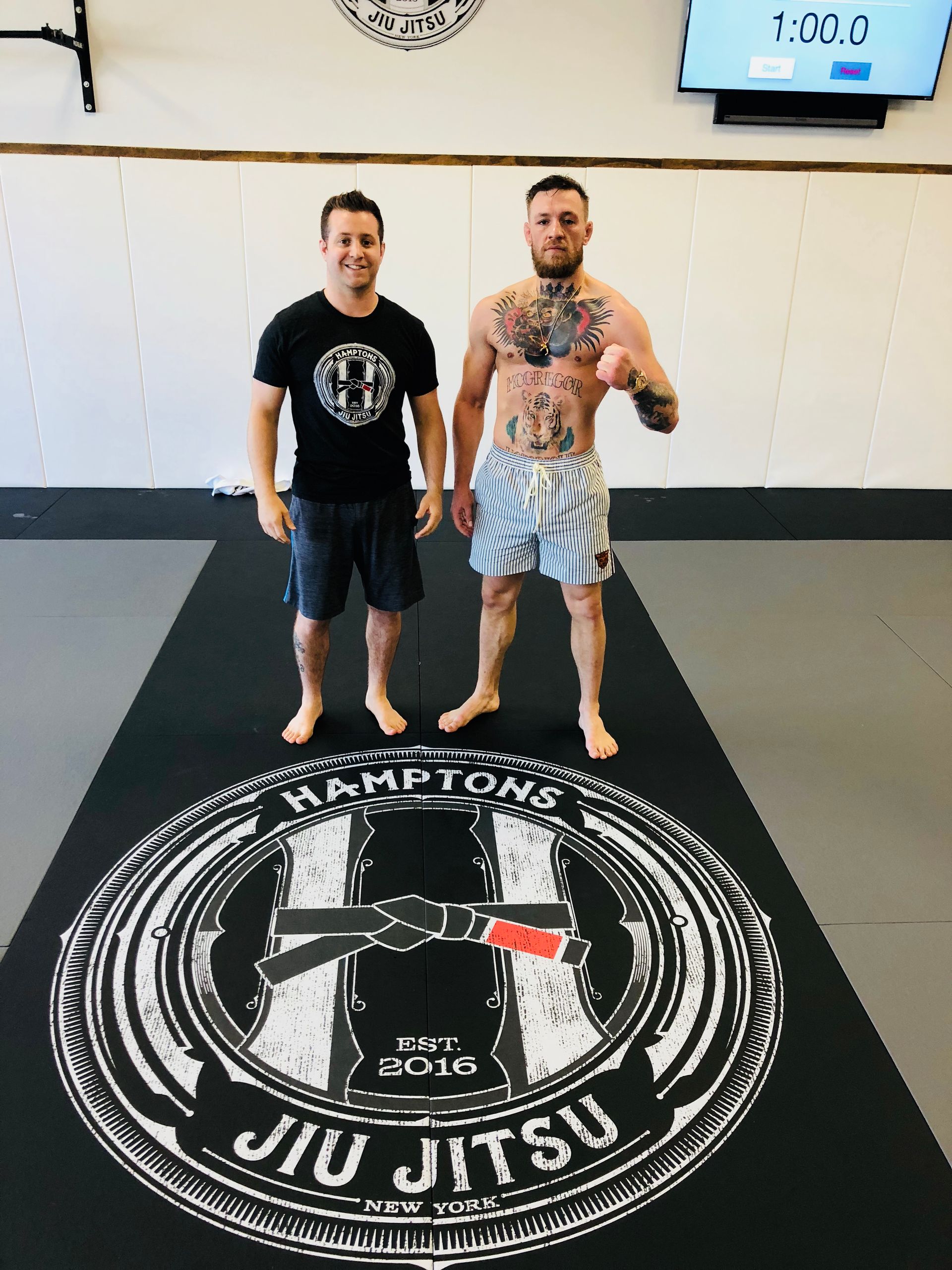
At Hamptons Jiu-Jitsu, we built our programs for real people living real lives in Southampton, not for some ideal version of you that has endless time and perfect energy. If you are ready to turn pressure into progress, we would love to have you on the mat.
Take your training beyond the gym and experience Brazilian Jiu Jitsu by joining a free trial class at Hamptons Jiu Jitsu.
ACCESS OUR SCHEDULE
& EXCLUSIVE WEB SPECIAL
Secure your spot and get started today with our EXCLUSIVE offer!