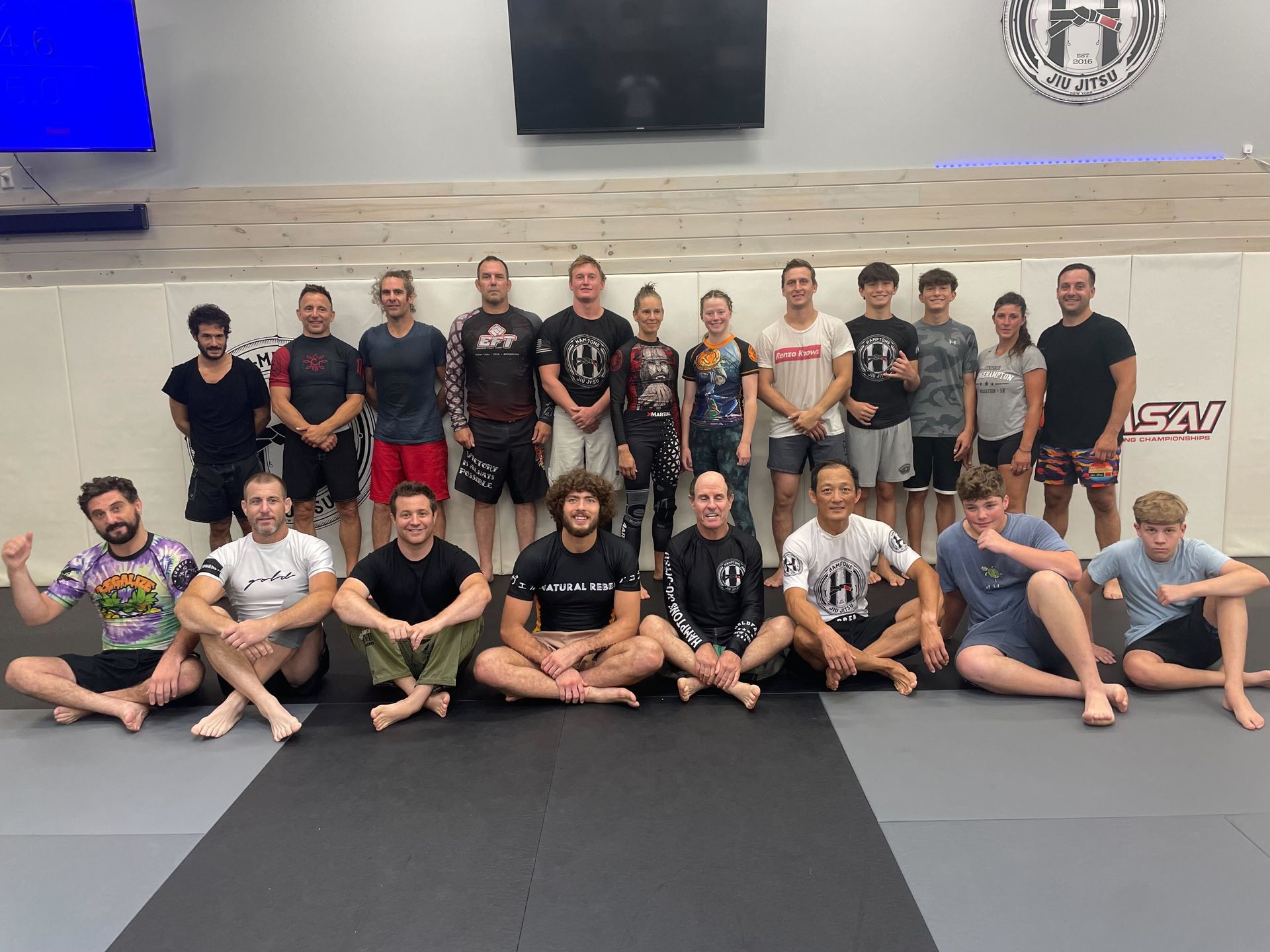
Why More Southampton Parents Are Choosing Youth Jiu Jitsu Classes

Youth jiu jitsu gives kids a structured place to build confidence, learn self-control, and stay active in a way that actually sticks.
If you have a child with big energy, a busy mind, or a shrinking attention span after a long school day, you are not alone. We talk with Southampton parents all the time who want an activity that is physical, but also purposeful, and youth jiu jitsu checks that box in a way many sports simply cannot.
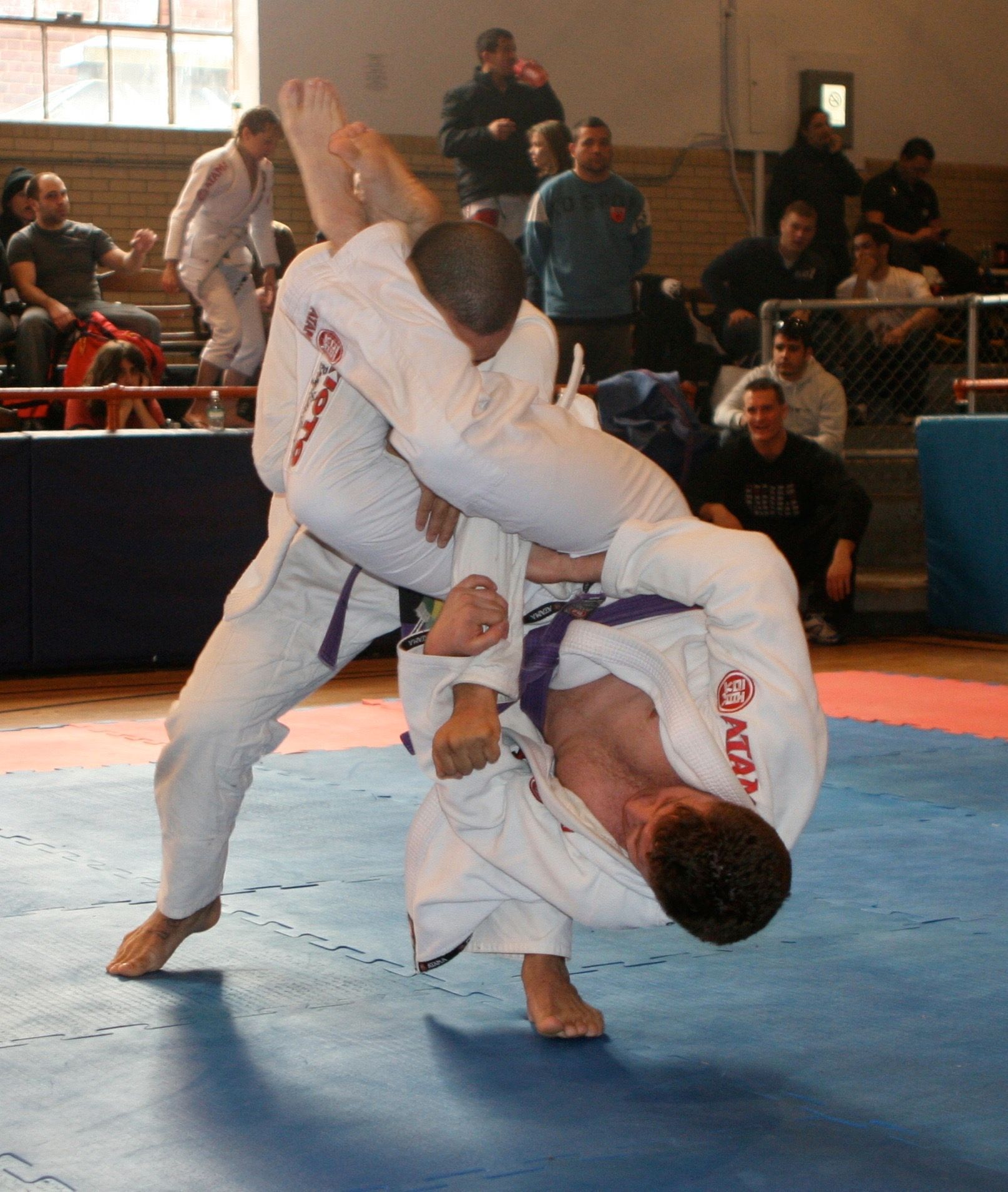
Youth jiu jitsu is also having a real moment nationally. Kids divisions at major tournaments keep growing, including IBJJF events in New York where youth brackets are packed and New York area teams routinely put up strong results. That kind of momentum matters because it tells you this is not a fad, it is a skill based sport with a clear pathway from beginner to confident student.
Here in town, we see something else, too: parents want more than a one hour class that burns energy and ends. You want coaching that teaches your child how to listen, how to try, how to handle setbacks, and how to be calm under pressure. Our youth program is built around those life skills, using jiu jitsu as the tool.
Why youth jiu jitsu feels like the right fit for Southampton families
Southampton is busy. School, homework, seasonal schedules, travel, and social pressure can make kids feel pulled in a dozen directions. What many families like about youth jiu jitsu is that it is consistent and predictable in the best way: the same rules, the same expectations, and a clear structure for improvement.
Unlike activities where only the fastest or strongest kid gets noticed, jiu jitsu rewards focus and technique. When a smaller student learns to solve a problem on the mat with timing and leverage, the win is not just physical. You can see it on your child’s face, the little moment of realization that effort pays off.
And because training partners rotate, students learn to work with different personalities and body types. That matters in real life, too. Kids build social confidence without needing to be the loudest person in the room.
What parents mean when they say they want “real confidence”
Confidence can sound like a marketing word, but we treat it as a measurable outcome. In youth jiu jitsu, confidence shows up when your child walks into class knowing the routine, greets coaches and teammates, and starts warmups without hesitation.
It also shows up in smaller moments you might not expect. A student who used to quit when something felt hard starts staying engaged for one more round. A student who got frustrated quickly starts breathing, resetting, and trying again. That is confidence built through practice, not pep talks.
We also teach kids how to use their voice. Jiu jitsu training involves clear communication: asking questions, acknowledging instructions, and learning respectful boundaries. Over time, many students become more comfortable speaking up at school and in social situations because they have practiced doing it in a structured environment.
Safety first: how we keep youth training controlled and age appropriate
One of the first questions we hear is, “Is this safe?” It is a fair question, especially when you hear the phrase martial arts. Our answer is that youth jiu jitsu is designed to be coached, controlled, and scaled to the student in front of us.
We prioritize positions and movement patterns that help kids learn body awareness and balance. Our coaches keep the room organized, set expectations early, and maintain close supervision during partner drills. We also teach students how to be good training partners, which is a big deal. A safe room is not only about rules, it is about culture.
When sparring is introduced, it is done progressively. That means your child is not thrown into something overwhelming. Instead, we build comfort step by step so kids understand what is happening and what to do next.
Anti-bullying benefits without teaching aggression
Parents do not want an activity that makes kids more aggressive. We agree. Youth jiu jitsu is not about picking fights. It is about learning control, awareness, and the ability to stay calm when someone else is not.
We coach students to de-escalate first. We also teach them how to recognize unsafe situations, set boundaries, and ask adults for help. On the mat, kids learn that strength without control is a problem. That lesson transfers quickly.
Because jiu jitsu is grappling focused, students learn how to manage distance, grips, and body positioning. It gives kids a practical understanding of what to do if someone grabs, pushes, or tries to overpower them, while still keeping the focus on safety and restraint.
What a typical class looks like in our youth program
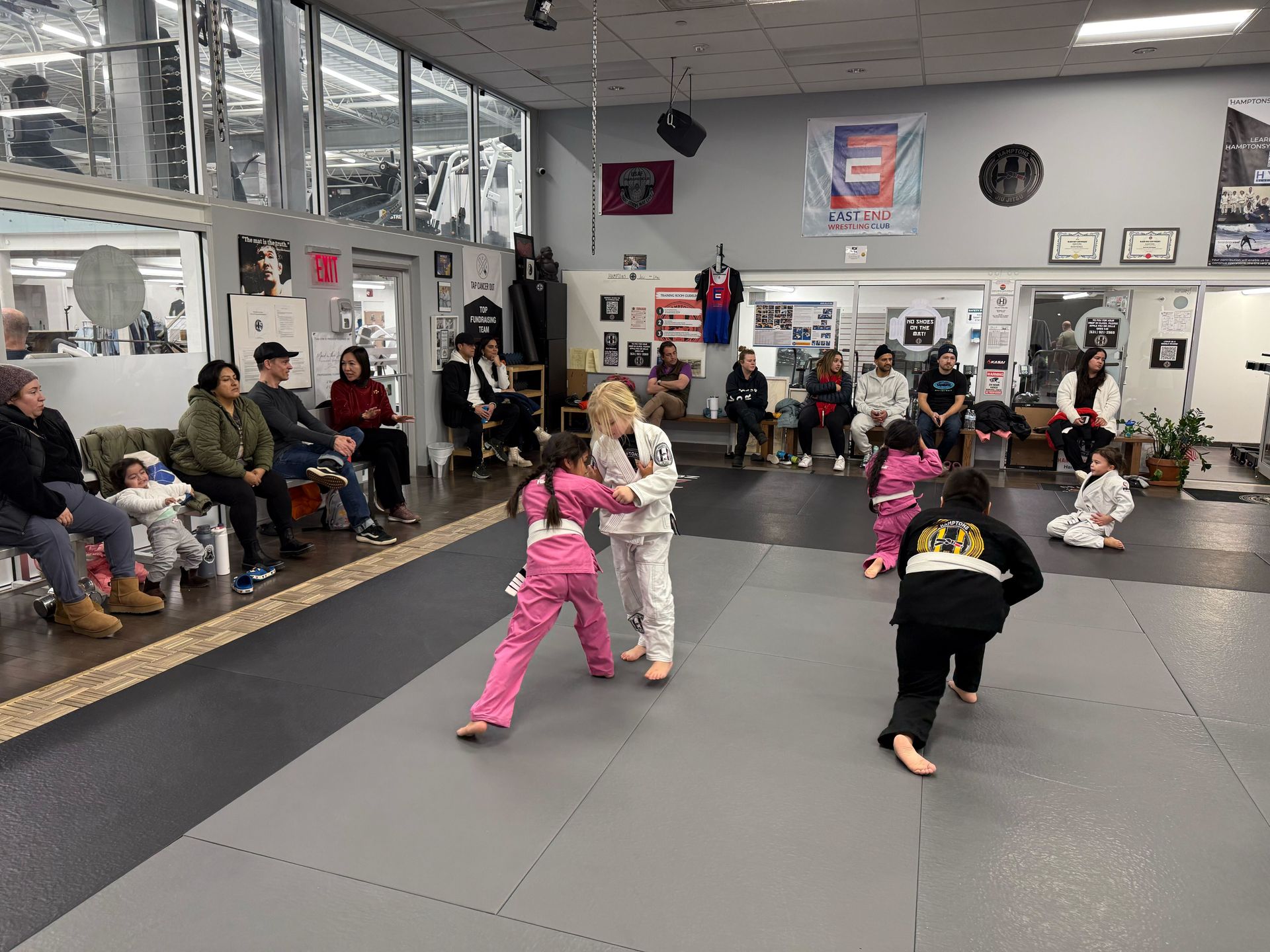
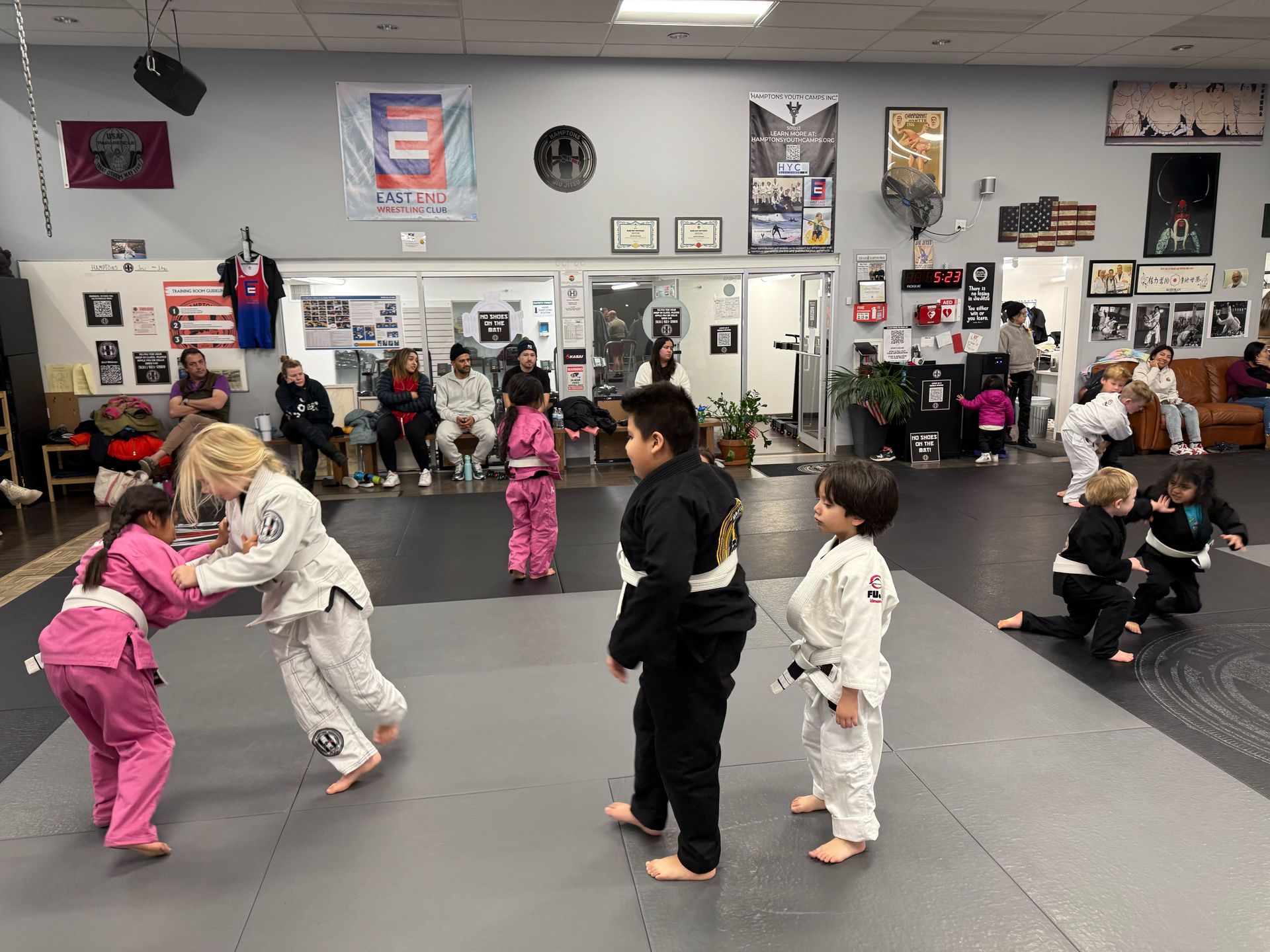
Parents often want to know what actually happens during a session, especially for youth jiu jitsu in Southampton NY where schedules are tight and you want to make sure the time is worthwhile. Our classes are structured, but not stiff. Kids move, sweat, learn, and laugh a little, too.
Most classes include a warmup that builds coordination and mobility, followed by technique instruction and partner drills. We then use controlled sparring games or positional rounds, depending on age and experience. We finish with a brief wrap up so students leave knowing what they practiced and what to improve next time.
To keep things organized and age appropriate, we group students by maturity and skill level whenever possible. A brand new student needs different coaching than a kid who has been training for a year and is ready for more complex sequences.
What your child learns in youth jiu jitsu, beyond the moves
Jiu jitsu has techniques, yes, but the deeper value is the set of habits kids build through repetition. Over weeks and months, training becomes a steady rhythm of learning, failing safely, and trying again.
Here are a few outcomes we consistently aim for in youth jiu jitsu:
• Better focus through short, clear goals like “win the grip” or “hold position for ten seconds,” which trains attention in a practical way
• Emotional control under pressure, because kids learn to breathe and think instead of panicking when a position feels uncomfortable
• Respectful discipline through routines like lining up, listening, and taking feedback without making it personal
• Athletic fundamentals such as balance, coordination, and core strength that support other sports and daily movement
• Social confidence built by training with different partners and learning how to be firm, polite, and cooperative at the same time
None of this requires your child to be “tough” on day one. We build toughness the right way, through consistency.
How progression and belt promotion keep kids motivated
Kids do well when progress is visible. In jiu jitsu, progress is not only winning rounds. It is showing better posture, safer movement, and stronger problem solving.
We use a clear progression system so students know what comes next. That structure helps with motivation, especially for kids who like goals. Promotions are not automatic, and they are not rushed, but they are meaningful. When your child earns recognition, it is because we see real growth in skill and maturity.
For parents, that system also provides clarity. You can ask what your child is working on and get a specific answer, not a vague “getting better” response.
Competition: optional, but a powerful learning tool
Not every family wants tournaments, and we respect that. Youth jiu jitsu should first be a positive weekly practice. Still, for kids who enjoy goals and new challenges, competition can be a healthy way to test skills.
New York has a strong youth competition scene, including IBJJF kids events where participation continues to grow. That environment creates a clear pathway for students who want it. We prepare students with rules awareness, match pacing, and the ability to handle nerves. We also talk about what winning and losing mean, because both can teach the wrong lesson if nobody guides the conversation.
If your child competes, we keep the focus on performance habits: showing up prepared, staying coachable, and learning from each match. If your child does not compete, the same training still builds confidence and athletic skill.
Practical details Southampton parents ask about: ages, gear, and schedules
Most youth programs serve a wide range of students, and we do as well. If you are looking at jiu jitsu Southampton options for a child who is brand new, the key is a beginner friendly structure and patient coaching, not intensity for intensity’s sake.
Age groups and readiness
We generally see kids start in the early elementary years and continue through middle school and early teens. Readiness is less about age and more about the ability to follow simple directions, stay safe with a partner, and participate in a group setting. If you are unsure, a trial class clears things up quickly.
What to bring
For early classes, you mainly need comfortable athletic clothes if you do not have a uniform yet. If you do purchase gear, we can help with sizing so your child is not swimming in sleeves or tripping over pants cuffs. Water, a small towel, and a simple mindset help, too.
How to use the class schedule
The class schedule page on the website is the easiest way to plan around school, homework, and seasonal routines. Many families choose two days per week to start, then adjust once training becomes part of the normal rhythm at home.
Getting started without stress: how we recommend you begin
We keep onboarding simple because parents already have enough to juggle. If you are considering youth jiu jitsu, the best approach is to try a class, ask a few questions, and see how your child responds.
Here is a straightforward way to start:
1. Check the class schedule on the website and choose a beginner friendly time that fits your week
2. Arrive a little early so your child can meet the coach, settle in, and understand the day’s structure
3. Let your child participate without pressure to “be good,” because the first win is simply showing up
4. After class, ask what felt fun and what felt confusing, then share that with us so we can guide next steps
5. Choose a consistent weekly plan that supports progress without overwhelming your family calendar
Consistency matters more than intensity. Two steady classes per week usually beats one scattered session every other week.
Take the Next Step
If you have been looking for a sport that builds athletic skill and real life resilience, youth jiu jitsu can be a strong fit for your family in Southampton. The right program should feel structured, safe, and genuinely encouraging, where your child can improve without being rushed.
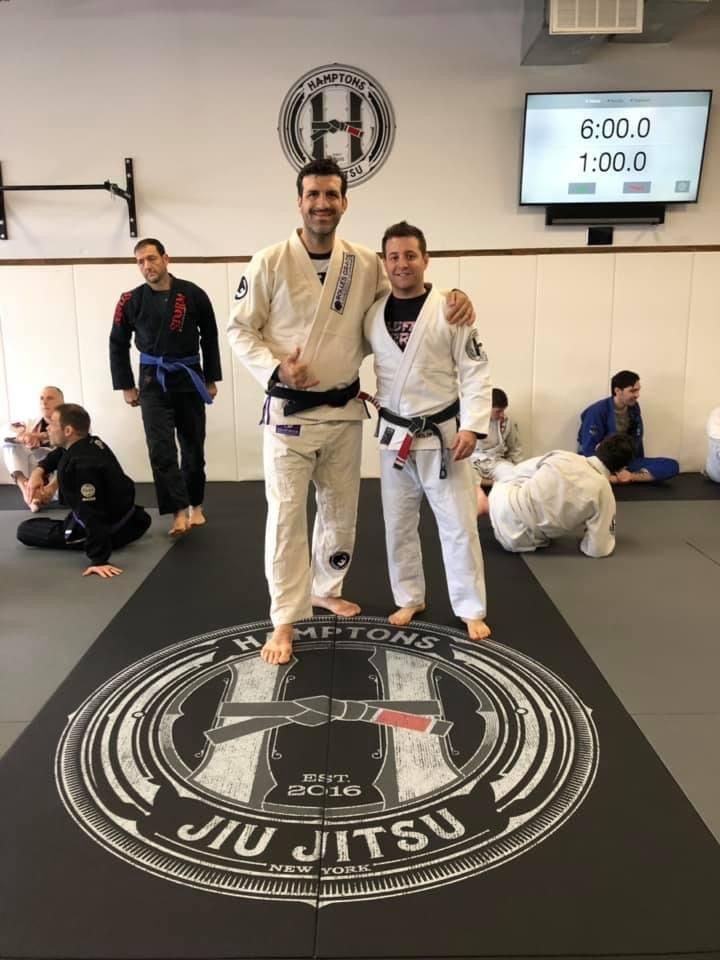
That is exactly what we aim to provide at Hamptons Jiu-Jitsu: a clear curriculum, careful coaching, and a community where kids learn how to work hard and stay respectful. When you are ready, we would love to meet you, answer your questions, and help your child take the first step onto the mat.
Give your child a positive and active outlet by joining the kids’ martial arts program at Hamptons Jiu-Jitsu.
ACCESS OUR SCHEDULE
& EXCLUSIVE WEB SPECIAL
Secure your spot and get started today with our EXCLUSIVE offer!