From Beginner to Black Belt: Your Path to Mastering Brazilian Jiu Jitsu
The real secret to progress is not talent, it is a clear plan you can follow week after week.
Brazilian jiu jitsu has quietly become one of the most practiced combat sports in the world, with more than 5 million people training globally and interest in the US continuing to climb. That popularity makes sense once you feel it: the art rewards problem-solving, patience, and technique more than size or raw athleticism. If you are starting in Southampton, your biggest advantage is simply getting a roadmap early so you do not waste months bouncing between random moves.
We built our program around that idea: consistent fundamentals, measurable milestones, and coaching that meets you where you are. Whether your goal is self-defense, fitness, stress relief, or eventually earning a black belt, your journey will look different from anyone else’s, but the stages of development are predictable, and that predictability helps you stay motivated when progress feels slow.
In this guide, we will break down what the beginner-to-black-belt path actually looks like, what you should focus on at each belt level, and how to train intelligently in brazilian jiu jitsu in Southampton so you can keep improving for years.
Why brazilian jiu jitsu works for real life, not just the mats
A good martial art should scale to the person doing it. In brazilian jiu jitsu, the core idea is leverage: you learn how to control distance, off-balance someone, escape bad positions, and apply submissions with mechanics instead of brute force. That makes training approachable for beginners and still endlessly challenging for advanced students.
It also fits real schedules. Most adults are not training twice a day like professional athletes, and we do not expect that. With a realistic weekly routine, you can build skill steadily while improving conditioning, mobility, and resilience along the way. The “secret” is that consistency compounds, even if each individual class feels modest.
Because the sport is growing so fast, expectations can get weird online. You might see highlight reels and think everyone is flying into submissions constantly. The truth is more grounded: most meaningful progress comes from learning how to survive, breathe, frame, and make smart choices under pressure. That is the foundation we coach from day one.
Understanding the belt timeline (and why patience is part of the skill)
People ask about belts right away, and we get it. Belts are a simple way to measure progress in a complex sport. But the timeline is longer than most hobbies, and that is a feature, not a flaw. On average, reaching black belt in brazilian jiu jitsu takes about 12 to 15 years, and that is with steady training over a long stretch of life. Early progress is faster, but still requires time and repetition.
In many programs, the path from white belt to blue belt often takes 3 to 5 years overall, though dedicated beginners who train consistently may progress faster. What matters most is your training frequency, your ability to recover, and whether you are learning fundamentals in a structured way rather than chasing whatever looks cool.
We keep expectations clear: you are not behind if you are learning slowly. You are building a skill set where small improvements make a huge difference later. Think of it like learning a language. First you survive conversations. Then you start expressing yourself. Eventually you can teach and translate.
Your first phase: white belt fundamentals that actually matter
White belt is where you learn how to learn. You are not collecting moves yet; you are building instincts and reliable habits. The fastest way to improve is to focus on positions and escapes, because those show up every round, no matter who you train with.
We coach beginners to prioritize a few “always useful” concepts:
• Posture, base, and balance so you stop getting tipped over in easy ways
• Frames and hip movement so you can create space when you are stuck underneath
• Guard retention basics so your legs become a shield, not an afterthought
• Safe tapping and controlled intensity so you can train for years, not weeks
• Simple, high-percentage submissions so you understand finishing mechanics without rushing
If you are new, your first win is not submitting someone. Your first win is recognizing what is happening. When you can tell the difference between side control and mount, or you can feel when your posture is breaking inside someone’s guard, your progress becomes much more predictable.
What your first month should feel like
Your first month will be a mix of excitement and confusion. That is normal. You will sweat, you will forget steps, and you will have days where you feel like you are moving through mud. But you will also have moments where something clicks, like the first time a basic shrimp escape actually works.
We recommend beginners show up 2 to 3 times per week if possible. That frequency gives you enough repetition to remember details without beating up your joints. If you can only train once per week, you can still improve, but your learning curve will be slower and you will need to be more intentional about taking notes or reviewing key ideas between classes.
Building a weekly routine you can stick to in Southampton
One reason people quit martial arts is not injury or boredom, it is friction. If training feels hard to schedule, motivation will not rescue you forever. We make it easier by keeping our class structure consistent and by encouraging you to use the class schedule page as your anchor for the week.
A sustainable routine usually includes three parts: skill learning, live practice, and recovery. Live rounds are important, but you will progress faster when drilling stays the priority early on. Recovery matters too, especially if you sit at a desk, travel, or play seasonal sports.
Here is a simple, practical plan we often recommend:
1. Train two weekday classes to build rhythm and keep techniques fresh
2. Add one weekend session when your schedule allows for extra mat time
3. Keep one day reserved for mobility work and light cardio, not more grinding
4. Set one “minimum standard” week, like two classes, even during busy seasons
5. Check the class schedule every Sunday and commit to specific times in advance
This approach helps you stay consistent through summer schedules, work deadlines, and the little disruptions that show up in real life.
From blue belt to purple: turning technique into timing
Blue belt is where you stop feeling like everything is random. You start to recognize patterns: how grips connect to sweeps, how pressure leads to openings, how escapes chain together. It is also where many students plateau, mostly because the early novelty is gone and progress becomes more subtle.
We coach blue belts to focus on building a “game” that fits their body type and personality. That does not mean inventing fancy systems. It means choosing a few positions you want to steer rounds toward and learning the most reliable paths to get there.
Purple belt is where creativity begins. You start making adjustments on the fly, and you can troubleshoot your own problems mid-roll. You may also start helping newer students, which is a powerful way to sharpen your own understanding. Teaching a detail forces you to clarify it, and that clarity shows up in your sparring.
Gi vs no-gi as you advance
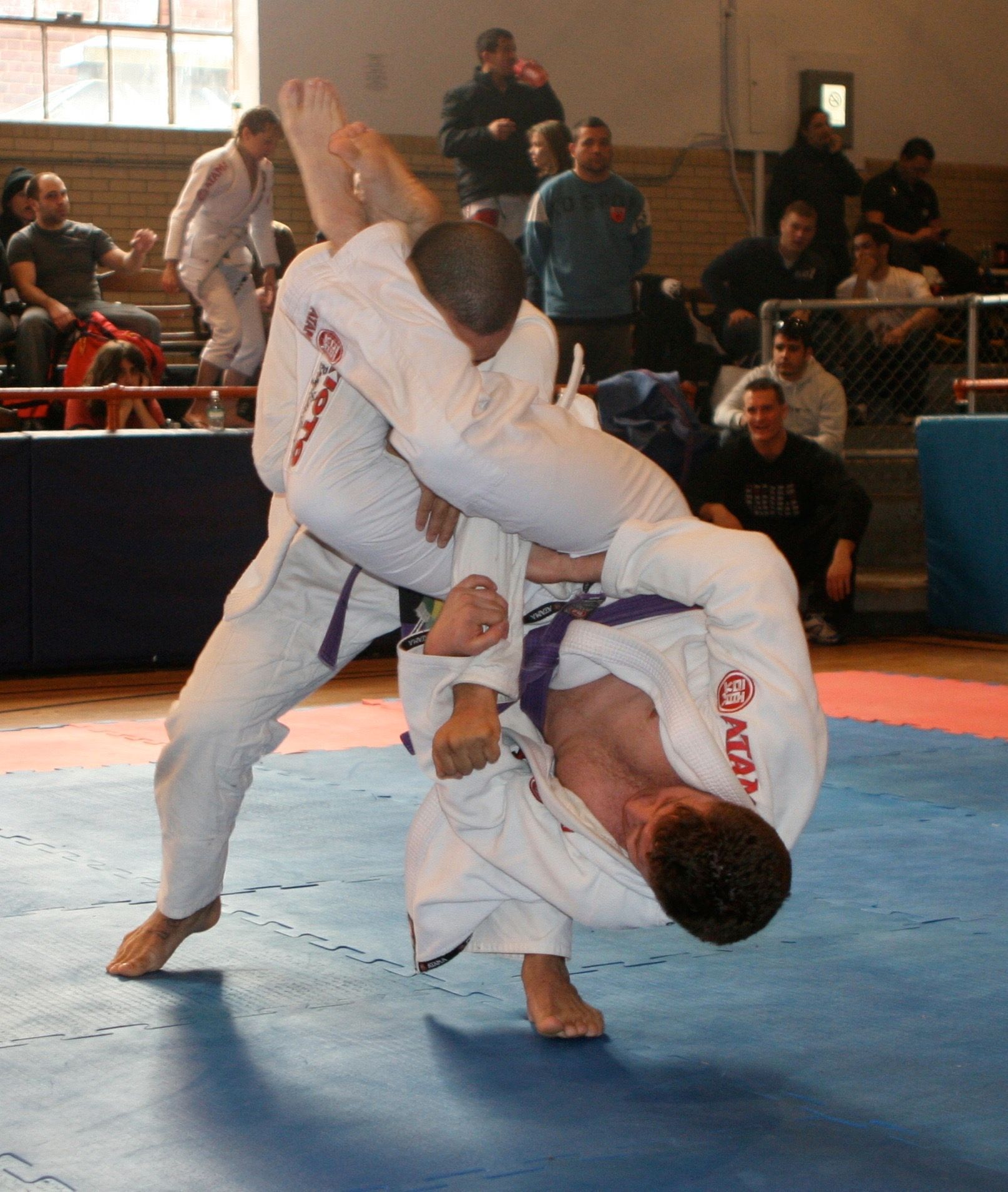
Both gi and no-gi can make you better, but they teach slightly different lessons. The gi slows things down and helps you develop grip fighting, patience, and positional control. No-gi often increases scrambles and demands sharper wrestling and leg awareness. Competition trends show no-gi growing, and leg attacks like ankle locks can be meaningful tools when trained responsibly, with success rates reported in the 10 to 18 range in high-level matches.
We guide you so you can train either style safely and with a plan, rather than collecting techniques that do not connect.
Brown to black belt: mastery is refinement, not accumulation
By brown belt, you have a deep toolset. The challenge becomes refinement: improving your timing, tightening your pressure, and making your decision-making cleaner under stress. The best advanced training looks “simple” from the outside because it is efficient.
At this stage, you are also protecting longevity. Smart warmups, controlled rounds, and thoughtful partner choices matter. Minor injuries happen in any contact sport, but training with good structure and responsible intensity keeps risk lower than many people assume. We emphasize tapping early, communicating with partners, and building technical control so you can train hard without training reckless.
Black belt is not an ending. It is a marker that you can demonstrate complete fundamentals, adapt to different body types, and solve problems in real time. It also means you can keep learning. Even among black belts, you will find endless depth: competition strategy, self-defense scenarios, coaching skills, and the ability to make jiu jitsu work as your body changes with age.
Competition, confidence, and what success can look like
Not everyone wants to compete, but competition can be a useful teacher. Major events like the IBJJF World Championship have drawn more than 4,000 competitors in recent years, and submission-focused athletes show how effective clean fundamentals can be at the highest levels. That said, your success does not need a podium.
For many students, the biggest change is confidence built from measurable competence. You learn how to stay calm when someone is on top of you. You learn how to problem-solve while tired. That carries over into work stress, fitness goals, and everyday posture and movement.
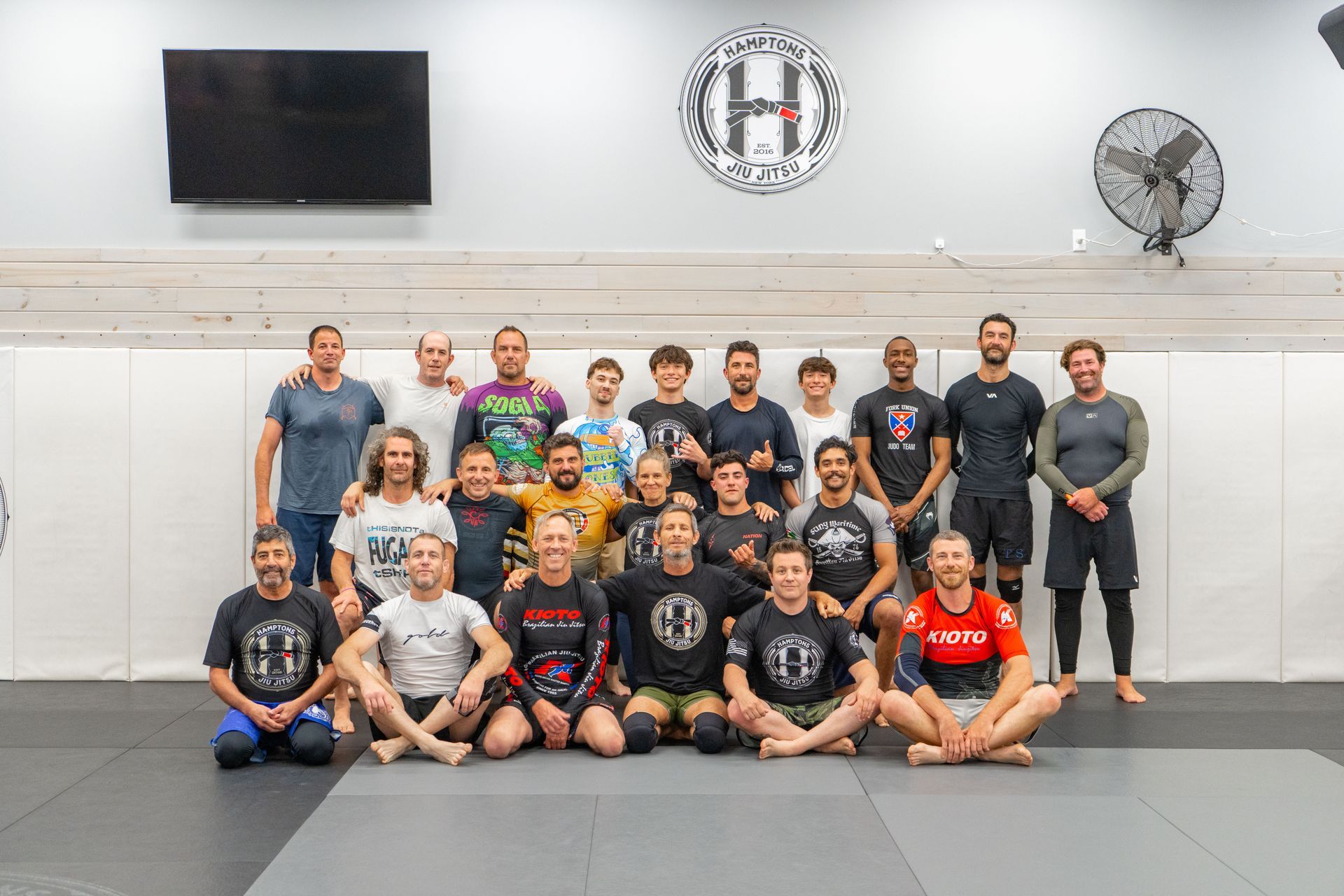
If you are interested in jiu jitsu in Southampton NY as a long-term practice, you will likely notice another benefit: community. Consistent training means you see the same faces, share progress, and learn to trust your training partners. That environment makes it easier to stay committed during the slow stretches, which every practitioner experiences.
Start Your Journey with Hamptons Jiu-Jitsu
Your path from day one to black belt is built on small, repeatable actions: show up, drill with intention, ask questions, and keep your training sustainable. We designed our coaching and class structure to make those actions clear, so you always know what to focus on next and why it matters.
If you are looking for brazilian jiu jitsu in Southampton with a long-term progression plan, we will help you build a foundation first, then layer in strategy, timing, and refinement as you grow. That is how we approach development at Hamptons Jiu-Jitsu, and it is the same approach that keeps students training year after year.
Ready to take what you learned here onto the mat? Sign up for a free adult Brazilian Jiu Jitsu trial class at Hamptons Jiu Jitsu today.
ACCESS OUR SCHEDULE
& EXCLUSIVE WEB SPECIAL
Secure your spot and get started today with our EXCLUSIVE offer!