
How Youth Jiu-Jitsu in Southampton Boosts Kids’ Social Confidence
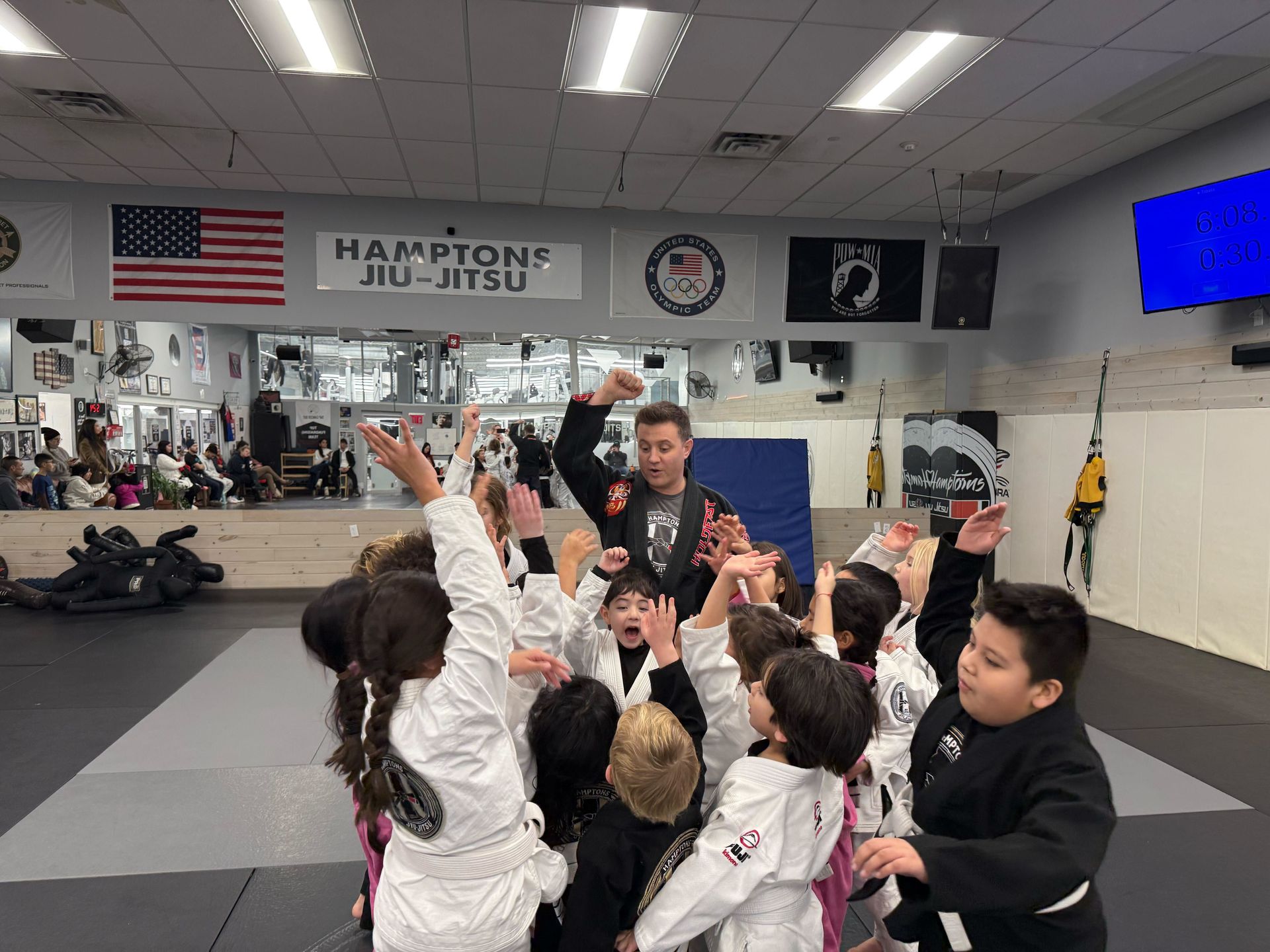
Youth Jiu-Jitsu gives kids a structured way to practice courage, communication, and calm teamwork, one partner drill at a time.
If your child hangs back in groups, struggles to speak up, or gets overwhelmed in busy social settings, confidence can feel like a vague goal and a daily worry at the same time. In Southampton, we hear from parents who want more than “keep them active” after school. You want your child to feel comfortable walking into a room, joining a group, and handling normal kid pressure without shutting down or acting out.
That is exactly why Youth Jiu-Jitsu works so well. Our classes are physical, yes, but the social side is built into every minute: pairing up, listening, taking turns, trying again, and learning how to be a good training partner. Over time, those small interactions add up to something parents can actually notice at school, at sports, and even at family events.
In this guide, we will break down how Youth Jiu-Jitsu in Southampton NY builds social confidence in a way that feels earned, not forced, and what you can expect when your child is brand new.
What social confidence really looks like in kids
Social confidence is not about turning every child into the loudest person in the room. For many kids, it shows up as quiet steadiness: being able to join a group without freezing, recover from an awkward moment, or handle a mistake without melting down.
In our experience, parents often notice social confidence in everyday behaviors like:
• Making eye contact when speaking to an adult or coach
• Raising a hand in class instead of waiting to be called on
• Handling friendly disagreement without spiraling
• Trying new activities without needing lots of reassurance
• Standing up for themselves without getting aggressive
The best part is that Youth Jiu-Jitsu gives kids repeatable practice in these skills. We are not “talking about confidence” in theory. We are building it through coached action.
Why Youth Jiu-Jitsu builds confidence differently than many activities
A lot of youth activities are social, but not all of them are structured for social growth. Some environments are chaotic, competitive too early, or dominated by a few outspoken kids. That can leave shy children drifting to the edges.
Youth Jiu-Jitsu is different because it is designed around partner interaction, clear rules, and measurable progress. Kids do not have to guess what to do next. We show them. They do it. We help them improve. That reliability matters, especially for children who feel uncertain in new social situations.
Structure reduces social pressure
When kids know the routine, they can relax. A typical class includes warm-ups, skill practice, partner drills, and carefully supervised live training (when appropriate). That consistency creates emotional safety, which is often the missing ingredient for social confidence.
Physical contact, taught respectfully, builds social comfort
Many kids struggle with personal space, bumping into others, or feeling awkward during close contact. In Youth Jiu-Jitsu, respectful contact is taught directly: how to grip safely, how to move with control, and how to treat partners well. That becomes a real-life lesson in boundaries and cooperation.
Progress is visible, so confidence becomes earned
Kids gain confidence fastest when effort leads to results. In Jiu-Jitsu, progress is tangible: remembering a position, escaping a hold, improving balance, or staying calm for one more round. Even small wins feel big when your child has worked for them.
The real mechanism: partner drills teach social skills without awkwardness
If your child is shy, “go make friends” is not helpful advice. Most kids need a reason to interact and a script for how to do it. Youth Jiu-Jitsu provides both.
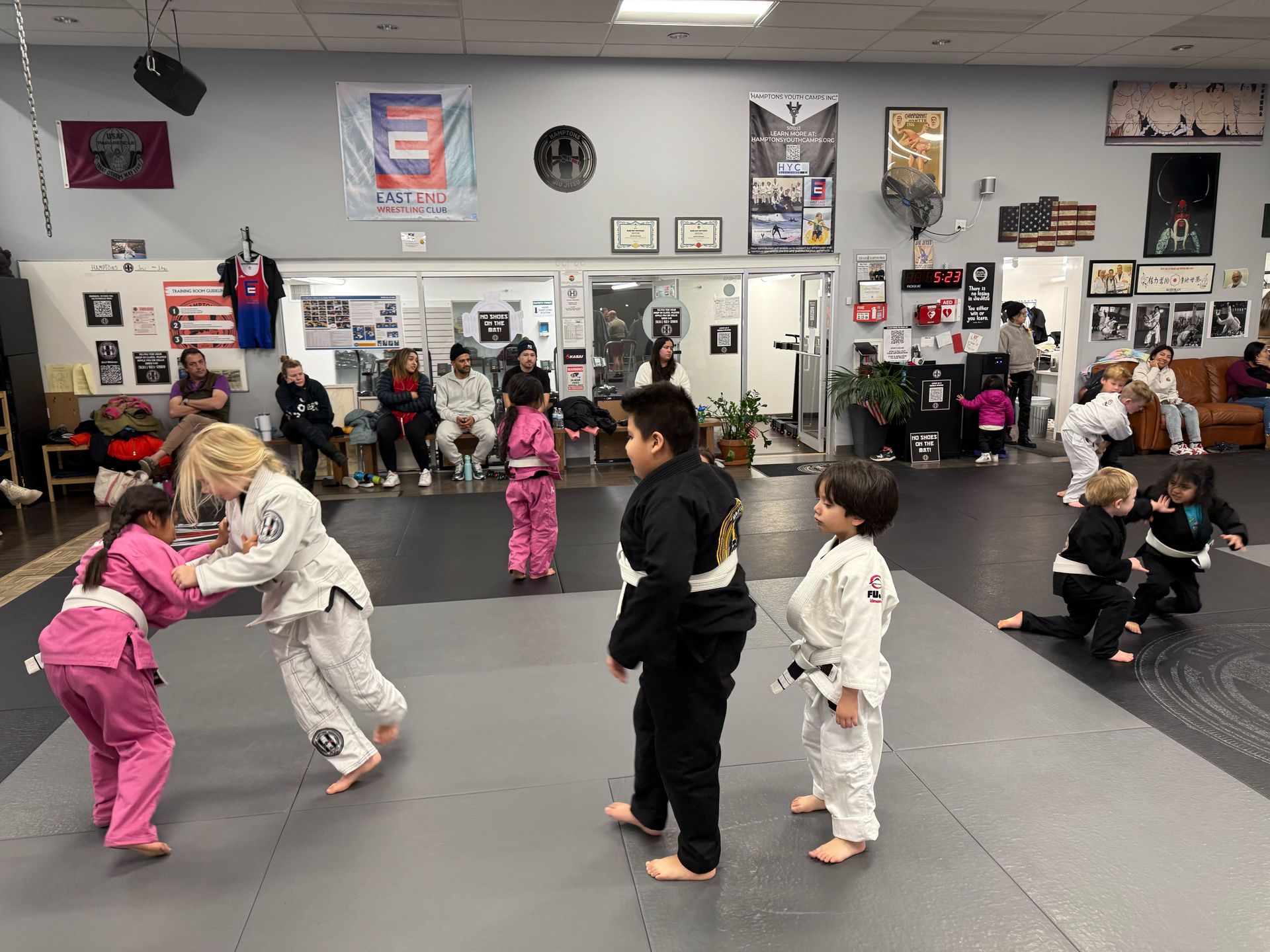
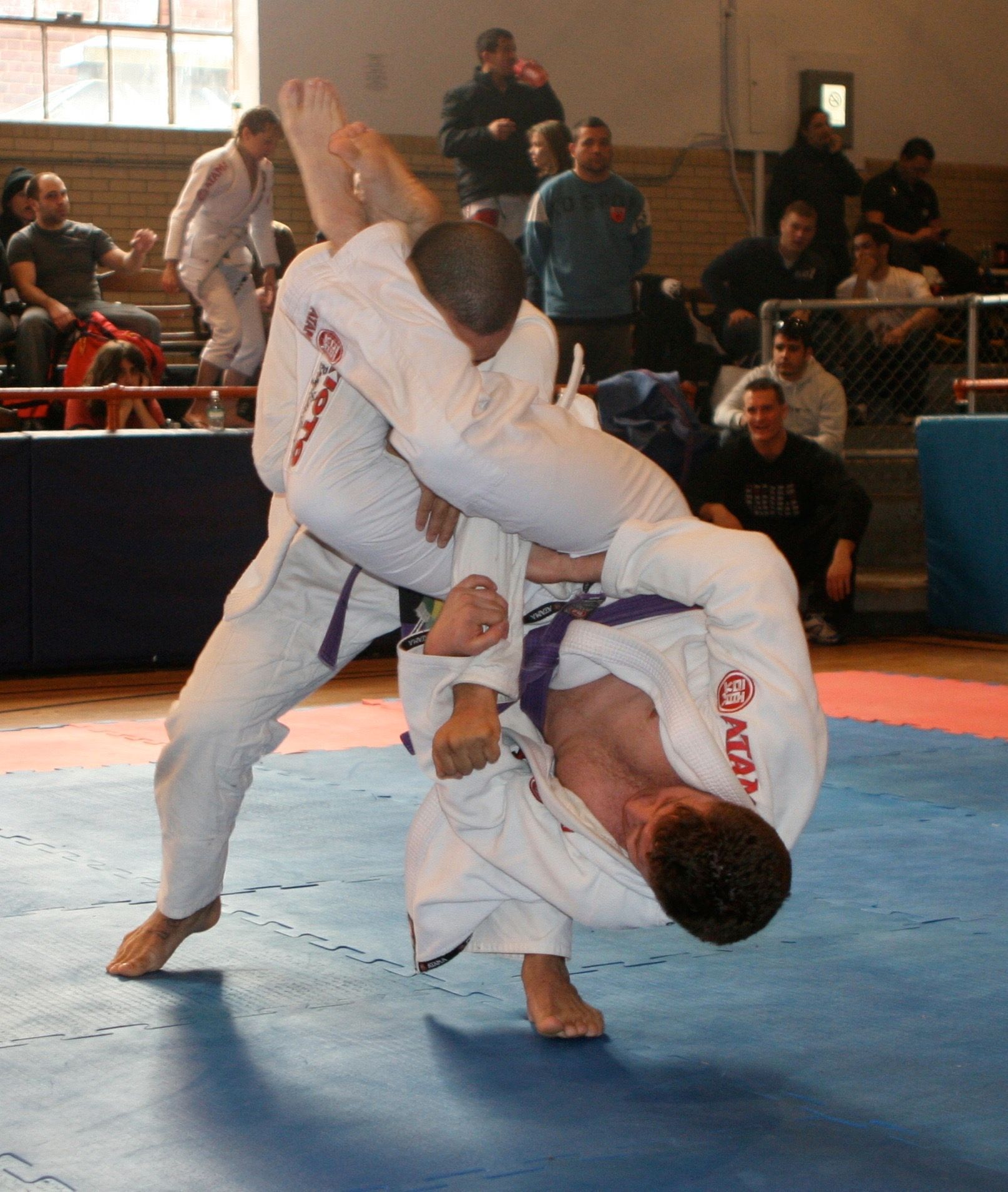
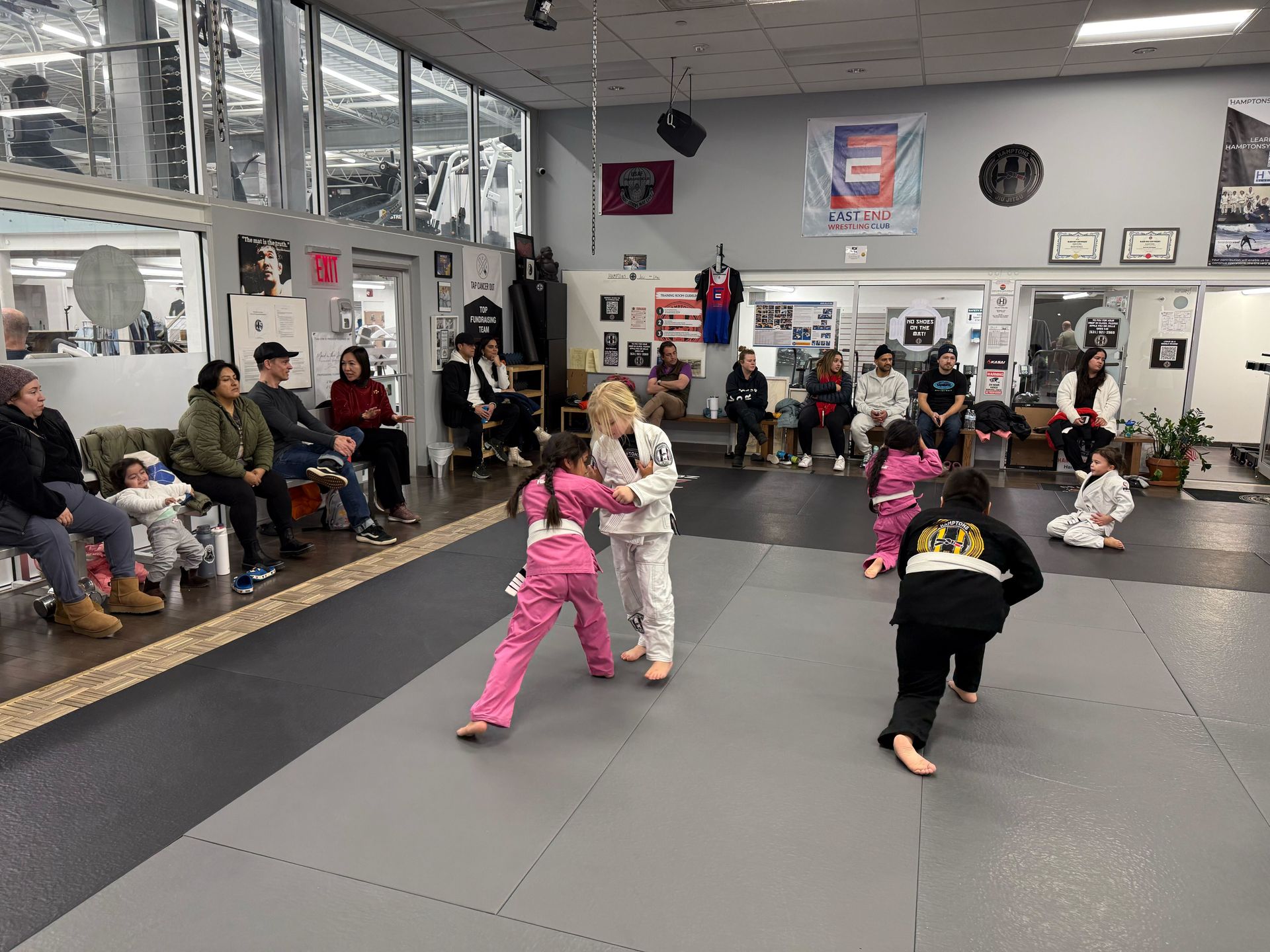
Partner drills are basically structured social practice. Kids take turns. One child tries the move, the other helps by giving the right reaction. Then they switch. It is cooperative by design, even though it looks like a combat sport from the outside.
Here is what partner work quietly teaches, week after week:
1. How to introduce yourself and pair up quickly
2. How to listen to directions while standing next to someone else
3. How to speak clearly (even a simple “your turn” counts)
4. How to handle small mistakes without embarrassment
5. How to be responsible for another kid’s safety
Those habits transfer. A child who learns to calmly work with different partners in class often becomes more flexible socially at school, too.
Confidence without aggression: how we keep the culture calm
A common concern is whether Jiu-Jitsu makes kids more aggressive. Our goal is the opposite: self-control. Youth Jiu-Jitsu gives kids a safe place to feel intensity and practice staying composed. That matters for social confidence because kids who feel in control of their bodies often feel in control of their emotions.
We coach three core behaviors every class:
• Control first: technique over strength, always
• Respect always: partners are not opponents in practice
• Reset quickly: if something feels frustrating, we breathe and try again
Because Jiu-Jitsu has clear rules and immediate feedback, kids learn that calm choices work better than impulsive ones. That is a powerful confidence-builder, especially for children who get overwhelmed in group settings.
Why shy kids often thrive in Youth Jiu-Jitsu in Southampton NY
Shy kids usually are not lacking ability. Often, they are managing nerves, uncertainty, and fear of standing out. Youth Jiu-Jitsu lowers those barriers.
Shy kids get a role right away
In many group activities, a shy child can disappear. In Jiu-Jitsu, every child participates, but in a guided way. You do not need to “perform” socially. You just follow the drill, and the social connection happens naturally.
The room feels supportive, not spotlight-driven
Because everyone is learning, mistakes are normal. That takes the edge off. When a child realizes nobody is judging them for forgetting a step, it becomes easier to try, and trying is where confidence grows.
They practice bravery in tiny doses
For a shy child, one brave moment might be pairing with a new partner, asking a question, or attempting a technique in front of the class. Those are small steps, but they stack up. Over months, the difference can be surprisingly obvious.
Social confidence for girls: strong, capable, and comfortable taking space
Families often ask how Youth Jiu-Jitsu supports girls specifically, especially if a daughter is hesitant to be physical or tends to shrink back in groups. We love this conversation because grappling teaches a unique kind of confidence: taking up space with composure.
In class, girls learn that strength is not just muscle. It is posture, framing, balance, timing, and the ability to stay calm. Socially, that often shows up as:
• Speaking more clearly
• Saying “no” without apologizing
• Staying steady when someone challenges them
• Feeling comfortable partnering with different classmates
And because progress is based on skill, not size, girls can feel competent quickly. That competence is a big part of social confidence.
What a beginner Youth Jiu-Jitsu class looks like (so you can picture it)
Parents in Southampton are busy. You want a program that is organized, safe, and predictable, not confusing or chaotic. A beginner class should feel welcoming and structured from the first day.
In general, your child can expect:
• A clear warm-up that builds coordination and body awareness
• Technique instruction broken into simple steps
• Partner drilling with close coaching and supervision
• Frequent reminders about safety, control, and respectful behavior
• A wrap-up that reinforces effort and good training habits
Your child does not need prior experience, and being “not naturally athletic” is not a deal-breaker. Many kids build athleticism through the training itself, which is honestly one of the nicest side effects.
How often should kids train to build confidence?
Social confidence comes from repetition, not a single breakthrough moment. For most families, consistency matters more than intensity. Training a couple of times a week keeps skills fresh and helps kids feel like part of the group, which is a major part of Youth Jiu-Jitsu in Southampton NY.
If your schedule is tight, we recommend starting with what you can realistically maintain. A steady routine helps kids feel grounded after school, especially during busy seasons when schoolwork and activities pile up.
Social confidence markers you can watch for at home and school
Sometimes progress is subtle until you know what to look for. Here are a few practical signs your child’s social confidence is growing through Youth Jiu-Jitsu:
• Transitions get easier: less resistance walking into class, school, or group events
• Frustration cools faster: shorter recovery time after a mistake or conflict
• Communication improves: clearer voice, more direct requests, more willingness to ask for help
• Posture changes: standing taller, making more eye contact, less fidgeting
• Peer comfort grows: talking about classmates, greeting people first, joining group play
If you notice even one or two of these shifts, that is meaningful. Confidence tends to build in layers.
Safety and self-control: what matters most for parents
Safety is not just about mats and rules. It is about culture and coaching. In youth classes, we emphasize controlled movement, age-appropriate instruction, and constant supervision. The goal is to let kids challenge themselves while staying within clear boundaries.
We also focus heavily on tapping, listening, and stopping immediately when asked. Those habits are not only physical-safety skills. They are social skills: respecting boundaries, communicating clearly, and responding appropriately under pressure.
What to wear and bring to the first class
For most first classes, keeping it simple is best. You will want your child to arrive ready to move, and it helps if everything feels easy and low-stress.
Bring the basics:
• Comfortable athletic clothing that allows movement
• A water bottle labeled with your child’s name
• Simple hygiene basics: clean clothes and trimmed nails
• A positive expectation: it is normal to feel nervous on day one
If you have questions about uniforms, ages, or how our youth groups are organized, the website has helpful program details and the class schedule so you can plan around school pickup and after-school routines.
Take the Next Step
When kids learn how to work with partners, stay calm under pressure, and earn progress through consistent effort, social confidence stops being a mystery and starts becoming a skill. That is the heart of what we build every day, and it fits the needs we see in Southampton families looking for after-school structure and real character development.
Our youth program at Hamptons Jiu-Jitsu is built to support beginners from day one, with a class environment that reinforces respect, discipline, and the kind of confidence that shows up at school and in everyday life, not just on the mats.
Turn what you learned here into real progress on the mats at Hamptons Jiu-Jitsu.
ACCESS OUR SCHEDULE
& EXCLUSIVE WEB SPECIAL
Secure your spot and get started today with our EXCLUSIVE offer!