Top Brazilian Jiu Jitsu Techniques for Boosting Self-Defense Skills
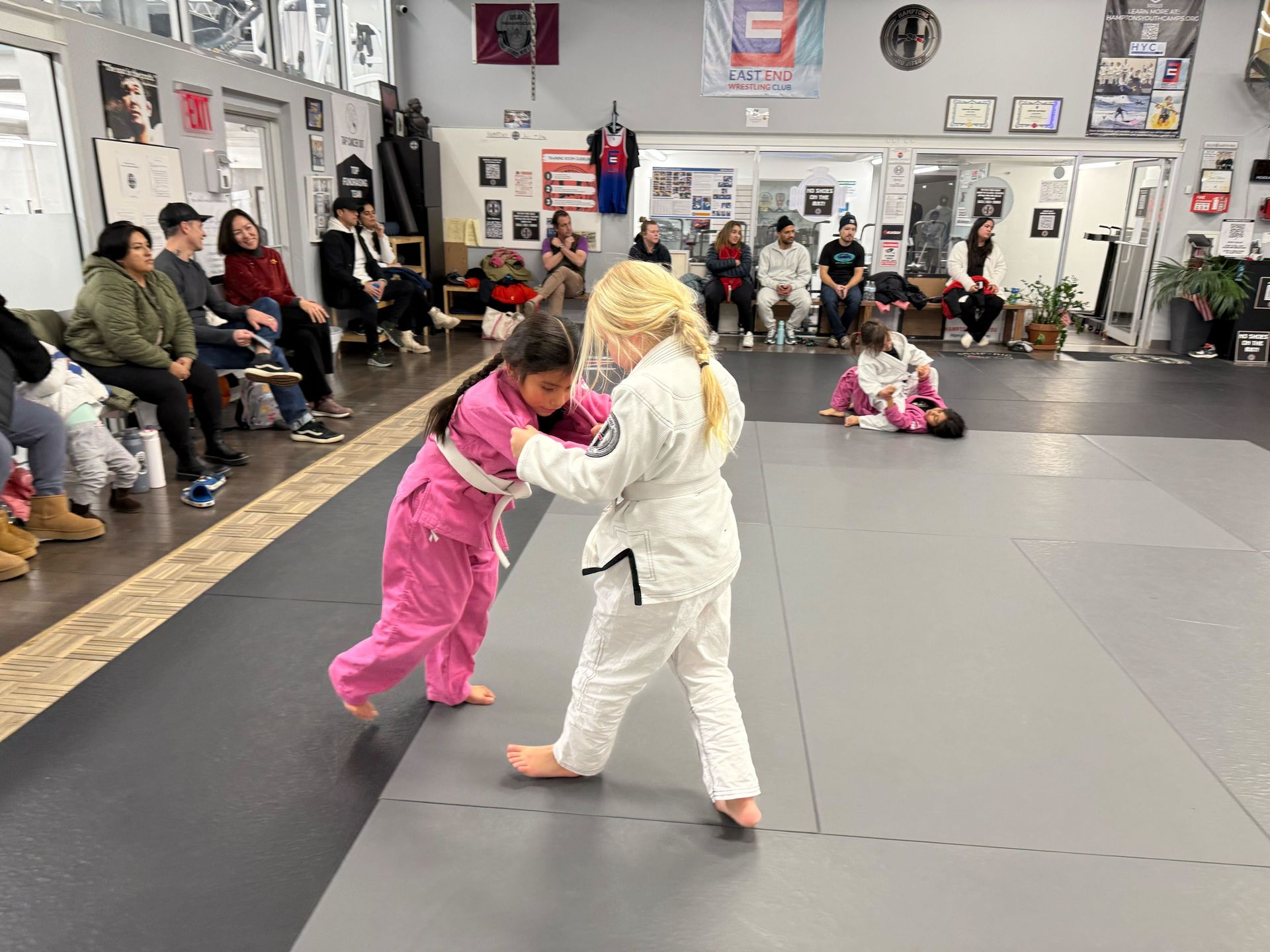
Brazilian jiu jitsu works because it gives you a repeatable plan for control, escape, and safety when a situation turns physical.
In Southampton, a lot of people come to us with the same question: what actually works for self-defense when stress hits and everything gets messy? Our answer is simple and practical. We focus on brazilian jiu jitsu because it teaches you how to manage distance, clinch safely, control someone without relying on strength, and escape bad positions when you do not get to choose where you land.
This matters because real altercations often collapse into close contact. On the ground, big swings and athletic moves can disappear fast, but fundamentals hold up. We train those fundamentals with progressive drilling and controlled sparring so your techniques become something you can actually use, not just something you remember in theory.
If you are looking for brazilian jiu jitsu in Southampton, our goal is to help you build calm decision-making under pressure. That includes the physical skills, but also the mindset: staying patient, protecting your head and neck, and choosing control over panic.
Why brazilian jiu jitsu is a smart self-defense choice
Search interest in brazilian jiu jitsu has grown dramatically over the last two decades, and the practitioner base worldwide is now estimated in the millions. That popularity is not just hype. Over 60 percent of practitioners say self-defense is their main reason for training, and that tracks with what we see every week on the mats: people want skills that feel realistic, not performative.
Our approach emphasizes leverage, positioning, and timing. When you learn how to frame, shrimp, and recover guard, you are learning how to make space and rebuild safety. When you learn how to clinch and control someone’s hips, you are learning how to reduce chaos. Those are self-defense priorities.
It is also worth saying out loud: you do not need to be aggressive to get good at this. Research on practitioners shows no meaningful increase in aggression across belt ranks, and we think that lines up with the culture of training. Good training rewards control, not ego.
The self-defense framework we teach: control, escape, then finish if needed
In self-defense, “finishing” is not the first goal. Our priority order stays consistent:
1. Stay safe and protect your head and neck
2. Improve your position so you can breathe and think
3. Escape to standing when it is available
4. Control if you cannot escape yet
5. Use submissions only when necessary and appropriate
This is where jiu jitsu Southampton training becomes very practical. You are not memorizing random moves. You are learning how to solve problems: someone on top, someone grabbing, someone trying to pin you, someone trying to hold you down long enough to do damage.
Technique 1: Base and posture (the skill that prevents everything else)
Before we talk about submissions, we start with base and posture. In plain terms, posture is how you keep your spine aligned and your head safe. Base is how you stop yourself from being tipped over. If you have those two things, you are harder to knock down, harder to off-balance, and harder to control.
For beginners, this is also where confidence starts to show up. You feel steadier. You stop reaching with your arms in panic. You learn to keep your elbows close and your hips under you. It looks simple, but it changes everything.
In class, we build this through stance work, grip fighting, and positional rounds where the only “win” is staying balanced and safe. That might not sound exciting, but it is what makes the exciting stuff work later.
Technique 2: The clinch and head position (closing distance safely)
Self-defense often starts standing, and it often starts close. We teach clinch entries that help you connect without eating unnecessary strikes, using inside control, collar ties, and underhooks depending on the scenario.
Head position is a quiet hero here. If your head is out of place, your posture breaks, and your balance goes with it. If your head is in the right spot, you can steer, stay tight, and choose when to disengage.
This is one of the reasons brazilian jiu jitsu in Southampton appeals to people who do not want to trade punches. Clinch control gives you options that are less about damage and more about shutting down movement.
Technique 3: Takedown defense and getting back to your feet
We like takedowns, but for self-defense we care just as much about takedown defense and standing up safely. Sprawling, framing, and circling off are foundational. If someone is trying to grab your legs or drive you backward, you need a quick “no” that does not depend on perfect timing.
And if you do go down, we train stand-ups that make sense: posting safely, building to a base, and creating space before you rise. We do not treat getting up like an afterthought. It is a core skill.
Technique 4: Breakfalls and “how to land” (the underrated life skill)
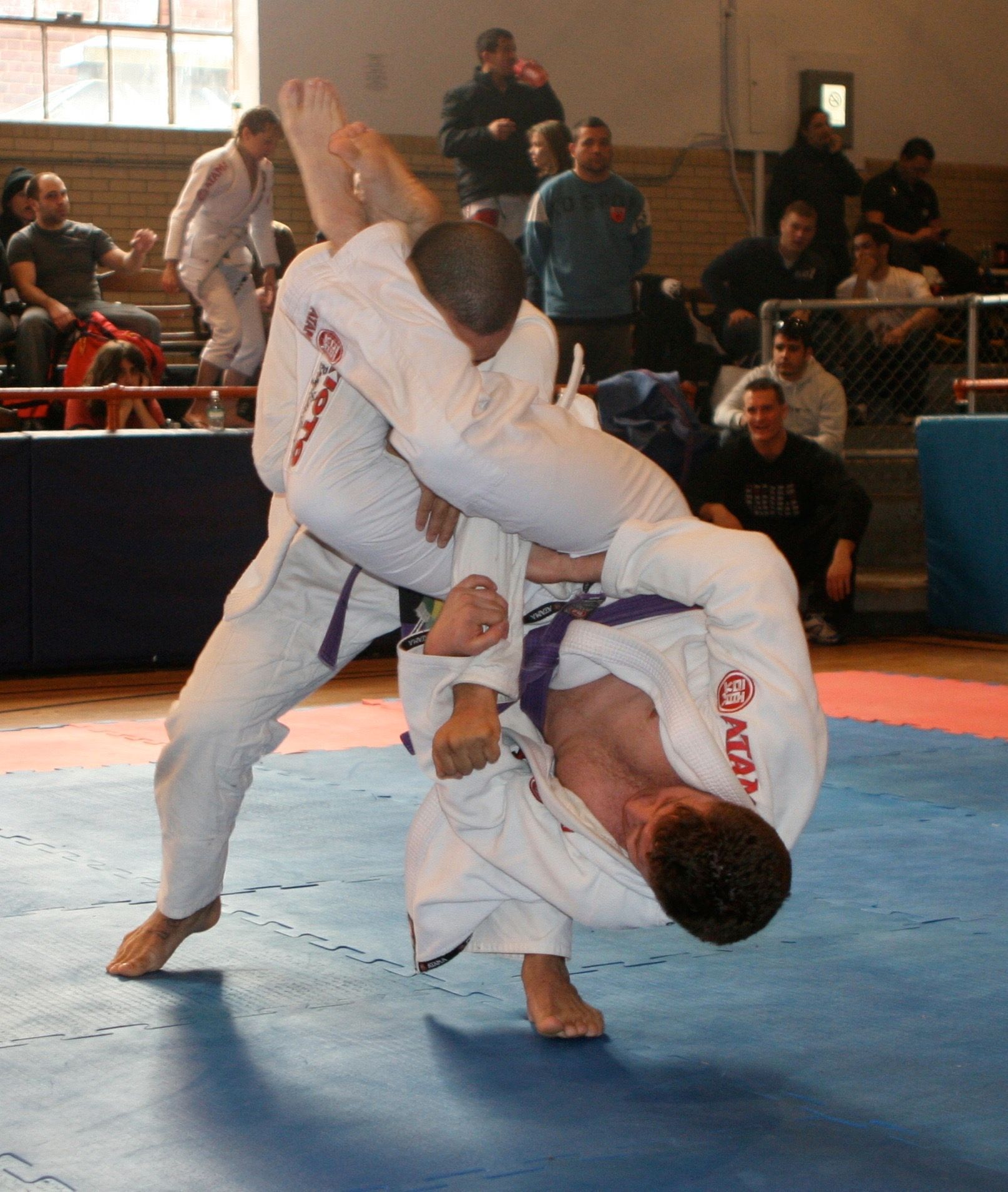
A hard fall can change your day or your year. We teach breakfalls and controlled landing mechanics so your body learns how to absorb impact, protect your head, and avoid reaching your hand out in a way that can injure your wrist or shoulder.
This is not just for dramatic throws. Slips happen. Trips happen. Sometimes you get bumped. Knowing how to land is self-defense in the most literal sense.
Technique 5: Guard fundamentals (closed guard, open guard, and why they matter)
“Guard” can sound like a sport term, but for self-defense it is a safety position. If you are on your back and someone is on top of you, guard gives you a way to control distance with your legs, manage posture, and set up escapes.
We teach closed guard first because it helps newer students slow things down. Then we introduce open guard concepts like keeping your knees between you and the other person, using frames, and managing grips so you do not get flattened.
Guard is also where many people realize that size is not destiny. Leverage shows up fast when you learn how to angle your hips and break posture.
Technique 6: The mount escape (bridge, shrimp, and elbow-knee connection)
Mount is one of the most stressful positions for beginners, and it is also one of the most important to address for real-world defense. Our mount escape focus is not fancy. We teach you how to trap an arm, bridge with purpose, and then recover position with a shrimp and elbow-knee connection.
We also train the “frame first” habit. Before you explode, you protect your neck and create structure. That structure buys you time, and time buys you good decisions.
When people stick with jiu jitsu Southampton training long enough, this is one of the first big confidence milestones: mount stops feeling like a catastrophe.
Technique 7: Side control survival (frames, hip escape, and guard recovery)
Side control is pressure. It is heavy, it is uncomfortable, and it is common in both sport grappling and real scuffles. Our side control defense emphasizes:
• Frames that protect your neck and keep space at the hip
• Hip escape timing, not just “shrimp harder”
• Recovering guard or building to your knees
• Understanding when to turn in and when to turn away safely
This is also where we coach breathing. If you can breathe, you can think. If you can think, you can escape.
Technique 8: Back control defense (hand fighting and safe escapes)
If someone gets behind you and controls your upper body, priorities get very clear: protect your neck first. We teach hand fighting to peel control away from your throat, then we work on turning into a safer position.
Back defense is technical, but it is also very learnable when it is taught in steps. We drill it in small pieces, then pressure-test it in controlled rounds. That progression is important because panic is the real enemy in back control situations.
Technique 9: The rear naked choke (high percentage, low motion)
For self-defense, we prefer techniques that do not require a lot of wind-up or athleticism. The rear naked choke is a great example. It is efficient, it works through proper positioning, and it can be applied with control.
We also teach responsibility around submissions. In training, we tap early and respect the tap quickly. In real life, we talk about situational awareness, de-escalation, and choosing the safest option available. The technique is powerful, so the decision-making has to be solid.
Technique 10: The straight armlock from guard and mount (simple, reliable leverage)
Armlocks teach you how to isolate a limb, control posture, and apply pressure gradually. We teach armlocks from positions you can realistically reach: closed guard, mount, and sometimes from back control transitions.
What makes armlocks valuable is not just the finish. It is the control on the way there: breaking posture, controlling the elbow line, and staying tight so you do not get stacked or rolled.
Technique 11: Kimura control (a submission that is also a position)
The kimura is a submission, but it is also a control system. Even when you do not finish, kimura grips can help you sweep, get to the back, or shut down someone’s ability to post and hit you.
We like teaching kimura concepts because students learn an important self-defense lesson: you do not always need a clean finish to improve your safety. If you can control the shoulder line and keep someone’s posture compromised, you can often create the opening to escape.
How we help beginners train safely and stick with it
A lot of people worry about injuries or getting discouraged early. The good news is that brazilian jiu jitsu is generally lower-impact than striking arts, and most injuries tend to be sprains and strains rather than severe trauma. We also manage intensity carefully, especially for new students.
We coach you to train with a long-term mindset. Only a small percentage of practitioners reach black belt, and the dropout rate is highest early on, especially at white belt. That is why we keep our beginner training structured, clear, and supportive, with a pace that helps you improve without feeling lost.
Here is what usually keeps people progressing in our program:
• Consistent fundamentals practice, even when you want “cool moves”
• Positional sparring that narrows the problem so you can succeed
• Clear safety rules around tapping, control, and partner awareness
• Coaching that prioritizes defense first, then offense
• A realistic training schedule you can actually maintain
What to expect in your first month of training
Your first month should feel like building a toolkit. You will learn how to move on the ground, how to keep your elbows safe, how to frame, and how to escape common pins. You will also learn the rhythm of class: drill, refine, and then test your timing in controlled rounds.
Most people are surprised by how mentally engaging it is. You will get a workout, yes, but you will also get the puzzle-solving side of grappling. That mental challenge is one reason many students report lower stress and higher confidence over time.
If you are searching for jiu jitsu Southampton options because you want self-defense skills without relying on strength, this is the sweet spot. Technique starts showing up sooner than you think.
Ready to Train at Hamptons Jiu-Jitsu
Training for self-defense is not about collecting techniques. It is about building dependable reactions: posture when you get grabbed, frames when you get pinned, escapes when you are stuck, and control when you cannot leave yet. When you train brazilian jiu jitsu consistently, those reactions become familiar, and familiarity is what helps you stay calm.
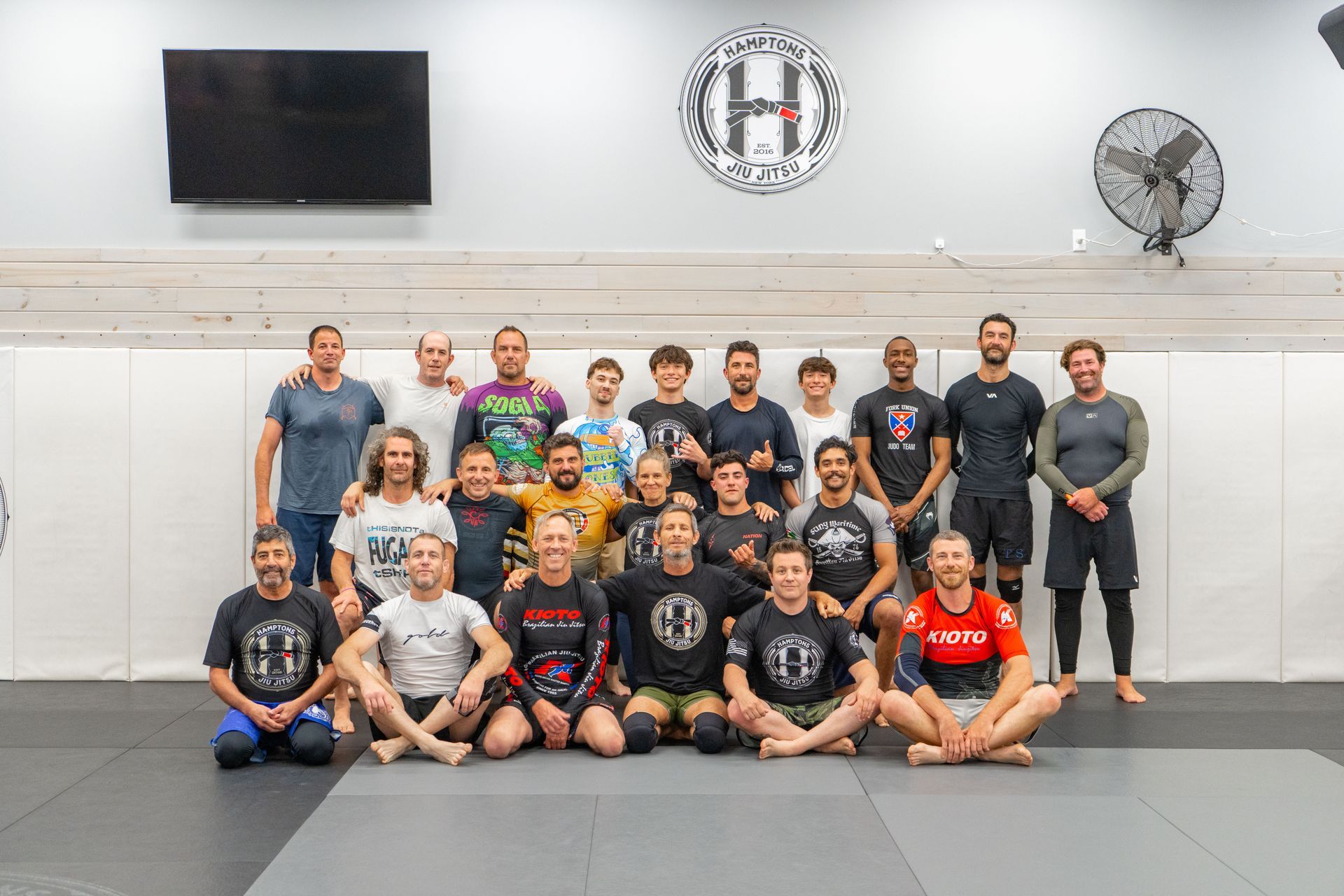
At Hamptons Jiu-Jitsu, we teach these skills with a clear progression, a safety-first training environment, and coaching that meets you where you are. If you are ready to experience brazilian jiu jitsu in Southampton in a way that feels practical and welcoming, we would love to have you on the mats.
Experience Brazilian Jiu Jitsu firsthand and see how training can support your goals by signing up for a free trial class today.
ACCESS OUR SCHEDULE
& EXCLUSIVE WEB SPECIAL
Secure your spot and get started today with our EXCLUSIVE offer!